Plant-Based Eating Made Easy: Start with Small Steps

Plant-Based Eating Made Easy: Start with Small Steps
More Americans are discovering the benefits of eating more plants — for their health, the planet, and even their wallets. But the idea of changing your entire diet can feel overwhelming. The good news? You don’t have to go all in overnight. By taking small, manageable steps, you can make plant-based eating a natural and enjoyable part of your life. Here’s how to get started without turning your kitchen upside down.
Begin with One Plant-Based Day a Week
A simple way to start is by choosing one day each week to go meat-free. “Meatless Monday” has become a popular movement across the U.S., and for good reason — it’s an easy way to experiment with new recipes and flavors without committing to a full lifestyle change.
Try making plant-based versions of your favorite dishes: lentil tacos instead of beef, veggie chili, or a creamy coconut curry with chickpeas. You might be surprised at how satisfying and flavorful these meals can be.
Læs også:

Make It Easy for Yourself
One of the biggest challenges when shifting toward a plant-based diet is convenience. The key is to set yourself up for success.
- Stock your pantry with staples like beans, lentils, rice, pasta, nuts, and frozen vegetables. These ingredients make it easy to throw together a quick meal.
- Cook in batches — soups, stews, and grain bowls can be made in large portions and stored for busy days.
- Use ready-made plant-based products such as tofu, tempeh, or veggie burgers when you’re short on time.
- Plan your meals for the week so you’re not scrambling for ideas at dinnertime.
When healthy, plant-based options are within reach, it’s much easier to stick with your goals.
Focus on Adding, Not Restricting
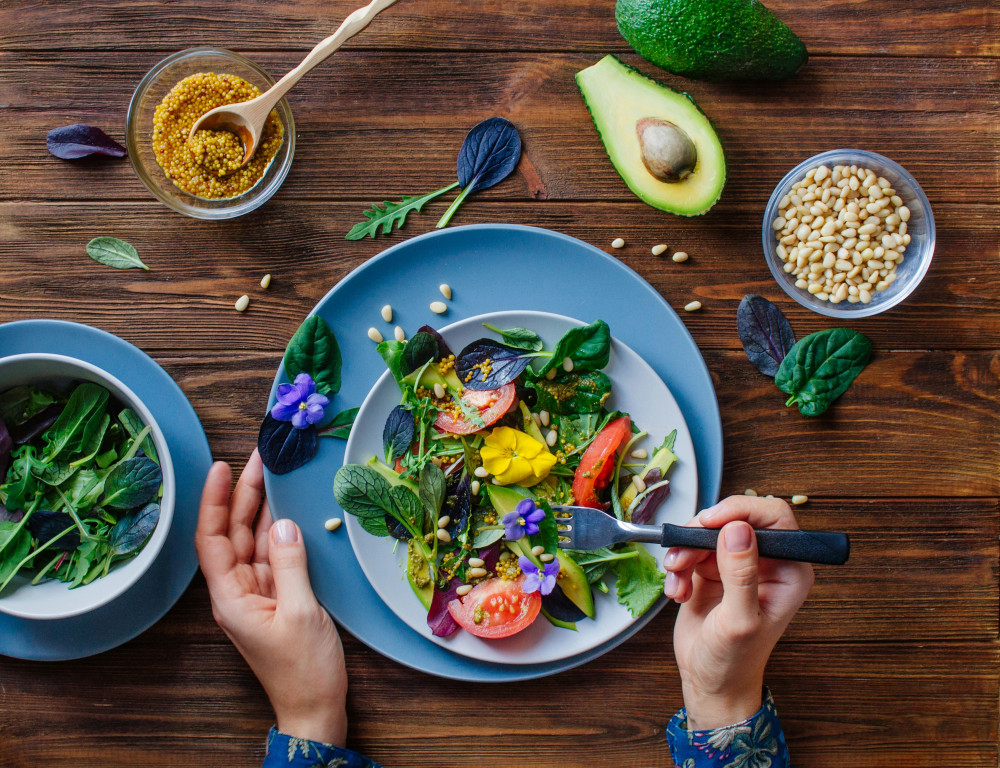
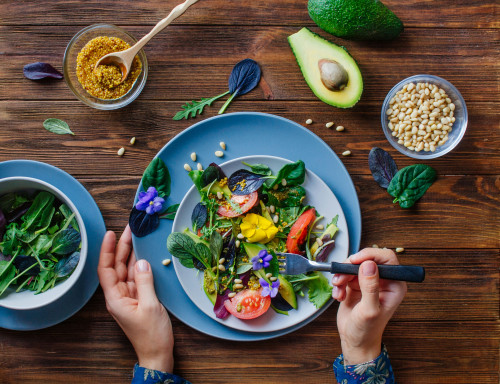
Many people think of plant-based eating in terms of what they have to give up. But it’s often more motivating to focus on what you’re gaining — more colors, more flavors, and more nutrients.
Think of it as expanding your diet rather than limiting it. Explore new vegetables, grains, and spices. Maybe you’ll discover a love for roasted sweet potatoes, quinoa salads, or hummus on whole-grain toast. The more variety you add, the more exciting your meals become.
Listen to Your Body and Find Your Balance
There’s no single “right” way to eat plant-based. Some people go fully vegan, while others simply reduce their meat and dairy intake. What matters most is finding a balance that works for you and your lifestyle.
Pay attention to how your body feels as you eat more plants. Many people notice increased energy, better digestion, and more stable blood sugar levels. If you’re unsure about meeting your nutritional needs — especially for protein, iron, or vitamin B12 — consider consulting a registered dietitian or healthcare provider.
Make It a Shared Experience
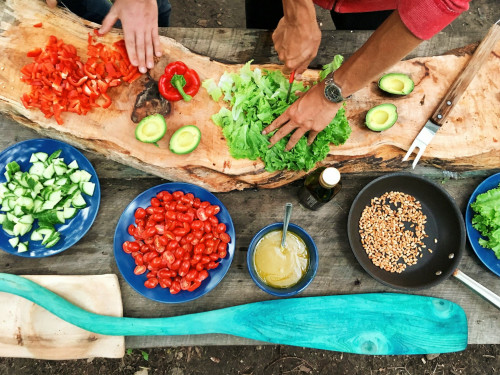
Changing habits is easier when you do it with others. Invite friends or family to join you — maybe start a weekly plant-based dinner night or challenge each other to try new recipes.
Kids can get involved too: let them pick out vegetables at the grocery store or help with simple cooking tasks. When they feel included, they’re often more curious and open to trying new foods.
Small Steps, Big Impact
Eating more plants isn’t about perfection — it’s about progress. Every time you choose beans over beef or oat milk instead of dairy, you’re making a positive difference for your health and the environment.
Start small, stay curious, and give yourself room to experiment. Over time, those small steps will turn into lasting habits, and you’ll find that a plant-based lifestyle can be simple, delicious, and deeply rewarding.
Læs også: