Nutrition for the Whole Family – When Everyone’s Needs Are Different

Nutrition for the Whole Family – When Everyone’s Needs Are Different
Eating well as a family sounds simple in theory – but in practice, it can be a balancing act. How do you meet the needs of a toddler who’s always on the move, a teenager with a big appetite, parents trying to stay healthy, and grandparents who may have special dietary concerns? Nutrition isn’t just about what’s on the plate – it’s about creating meals that work for everyone at the table.
Here’s how to think about family nutrition in a way that’s practical, flexible, and enjoyable.
Different Needs – One Shared Meal
Even though family members have different nutritional needs, most can eat the same basic meal with small adjustments.
- Young children need energy for growth and play. Offer nutrient-dense foods that are easy to chew, such as whole grains, soft-cooked vegetables, fruits, and healthy fats from fish, nuts, and plant oils.
- Teenagers often need more protein, iron, and calcium, especially if they’re active in sports. Lean meats, beans, eggs, dairy, and fortified cereals can help meet those needs.
- Adults should focus on balance – plenty of vegetables, whole grains, lean proteins, and healthy fats, while still leaving room for enjoyment and flexibility.
- Older adults may need extra protein and vitamin D to maintain muscle and bone strength. Since appetite can decrease with age, meals should be flavorful and nutrient-rich.
By serving one main dish with small variations – like extra veggies for adults or a bit more pasta for kids – you can avoid cooking separate meals while still meeting everyone’s needs.
Planning Makes Healthy Eating Easier
A little planning goes a long way toward getting nutritious meals on the table without stress. Create a weekly meal plan that allows you to reuse ingredients and reduce food waste.
For example:
- Monday: Grilled chicken with brown rice and roasted vegetables
- Tuesday: Chicken wraps with salad and yogurt dressing
- Wednesday: Baked salmon with sweet potatoes and green beans
- Thursday: Lentil chili with cornbread
- Friday: Homemade veggie pizza night
When planning, consider your family’s schedule – quick meals for busy nights and more involved recipes when you have time to cook together.
Læs også:



Make Mealtime a Family Project
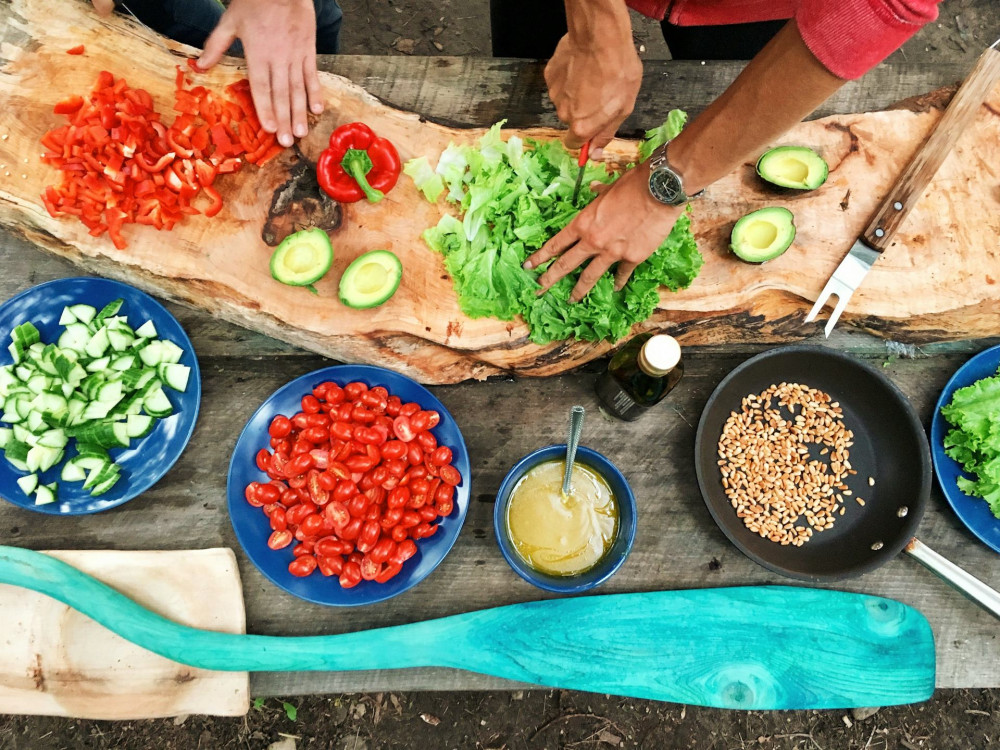
Food is about more than nutrition – it’s about connection. When kids and teens help in the kitchen, they learn about ingredients, flavors, and responsibility.
Let younger children wash produce or stir ingredients, and give older kids a chance to chop, season, or even plan a meal. Teens can take charge of one dinner a week – it builds confidence and keeps the menu interesting.
Healthy Habits Without Strict Rules
It’s easy to focus on what not to eat, but long-term healthy habits come from balance, not restriction. Sweets, snacks, and takeout can fit into a healthy diet – just not every day. Teaching kids that all foods can have a place helps prevent guilt or negative feelings around eating.
A simple guideline is the 80/20 rule: eat nourishing foods most of the time, and enjoy treats in moderation.
When Allergies or Special Diets Are Involved
Many families include members with allergies, intolerances, or specific dietary preferences. It can seem complicated, but with a little planning, everyone can still share the same meal.
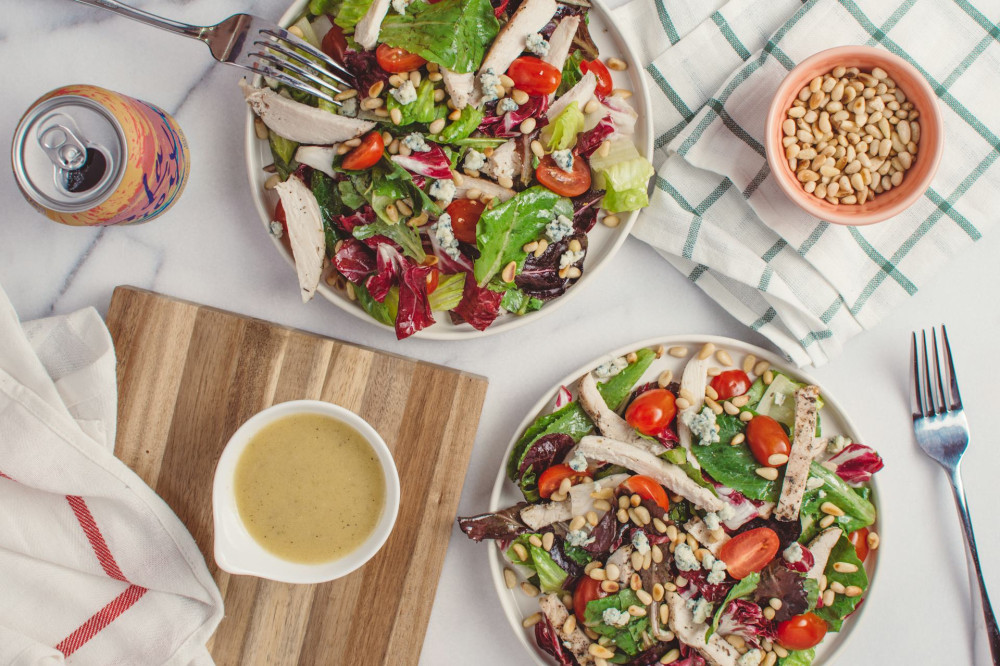
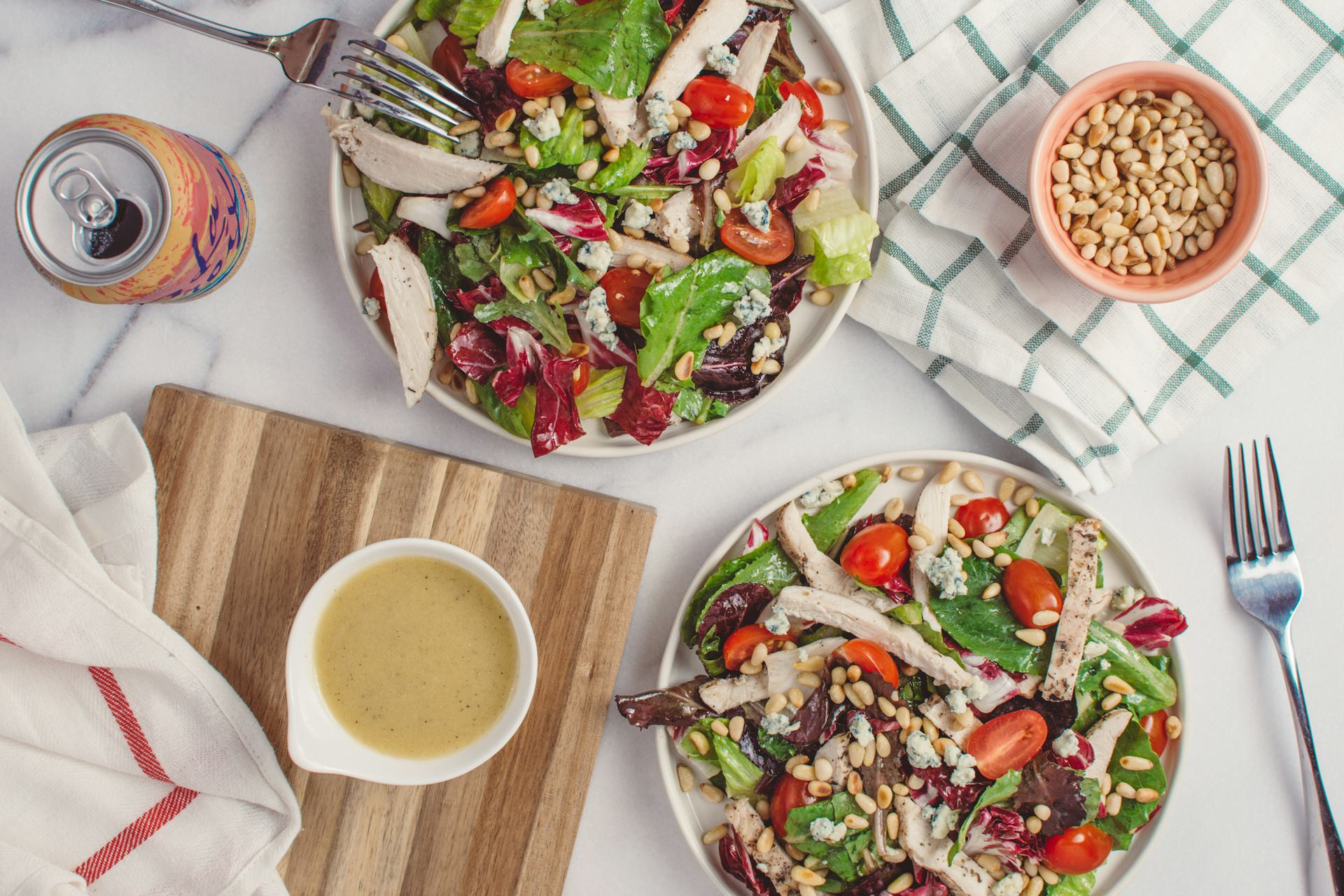
Try “build-your-own” dishes like tacos, grain bowls, or salads, where each person can add or skip ingredients as needed. This approach keeps mealtime inclusive and stress-free.
The Key Ingredient: Joy and Balance
Good nutrition isn’t just about vitamins and minerals – it’s also about enjoyment, flavor, and togetherness. When meals are relaxed and shared, everyone tends to eat better, regardless of age.
There’s no such thing as a perfect meal, but a varied diet, regular eating patterns, and a positive attitude toward food are a great foundation.
Eating together is an investment in both health and family bonds – and that may be the most nourishing part of all.
Læs også: