New Eating Habits, New Home: How to Adjust Your Diet When Moving Out on Your Own

New Eating Habits, New Home: How to Adjust Your Diet When Moving Out on Your Own
Moving out on your own is a major milestone — freedom, responsibility, and new routines all come together in a life you’re now in charge of. One of the biggest changes you’ll face is food. Suddenly, no one is stocking the fridge, cooking dinner, or reminding you to eat something green. It can feel overwhelming, but it’s also an opportunity to build healthy habits that will serve you for years to come. Here’s how to adjust your diet and make food a positive part of your new independence.
Start Simple — and Learn as You Go
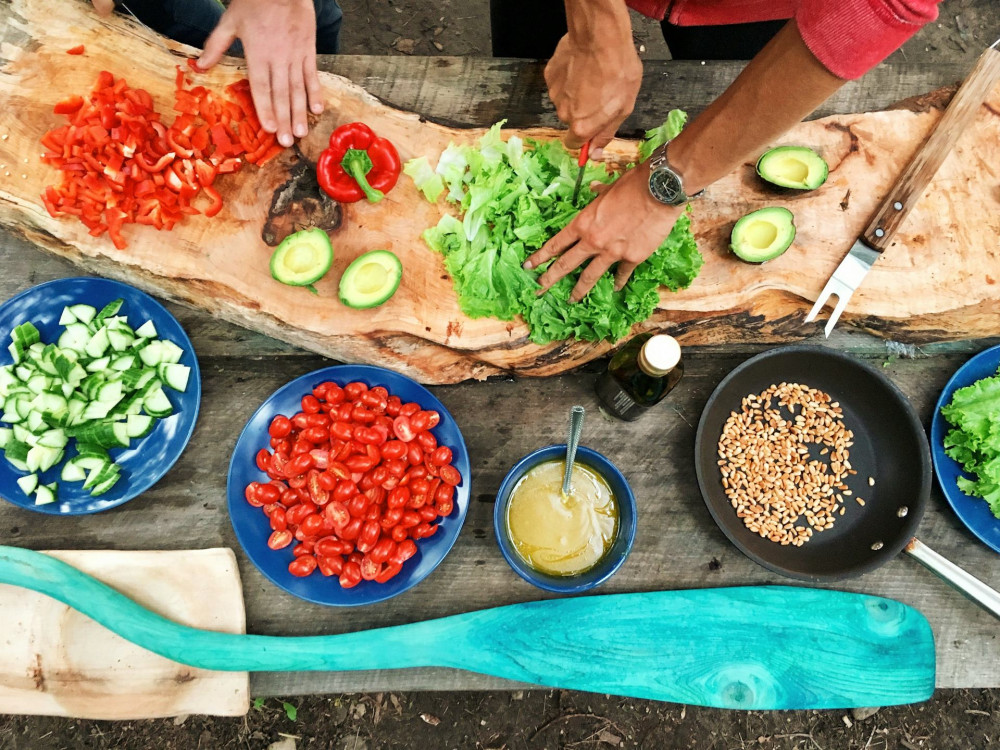
When you first have your own kitchen, it’s tempting to try complicated recipes or recreate your favorite restaurant meals. But the key is to start simple. Learn a few basic dishes you can mix and match — things like pasta, stir-fries, soups, or sheet-pan meals. Once you’ve mastered the basics, you can build from there.
Keep a list of pantry staples that make cooking easier: rice, pasta, eggs, canned beans, frozen vegetables, spices, and olive oil. With a few essentials on hand, you can make a variety of meals without spending a fortune or wasting food.
Plan Your Meals
Meal planning might sound boring, but it saves time, money, and stress. Take a few minutes each week — maybe Sunday evening — to plan your meals and make a grocery list. This helps you shop with purpose and avoid impulse buys.
Cooking larger portions is another smart move. Save leftovers for lunch or freeze them for busy days. Having a homemade meal ready to heat up can keep you from relying on takeout when you’re tired or short on time.
Eat Well Without Overspending
Healthy eating doesn’t have to be expensive. It’s all about planning and making smart choices. Seasonal produce, dried beans, and whole grains are affordable and packed with nutrients. Try swapping meat for lentils or beans in some meals, or make a big pot of vegetable chili or soup that lasts several days.
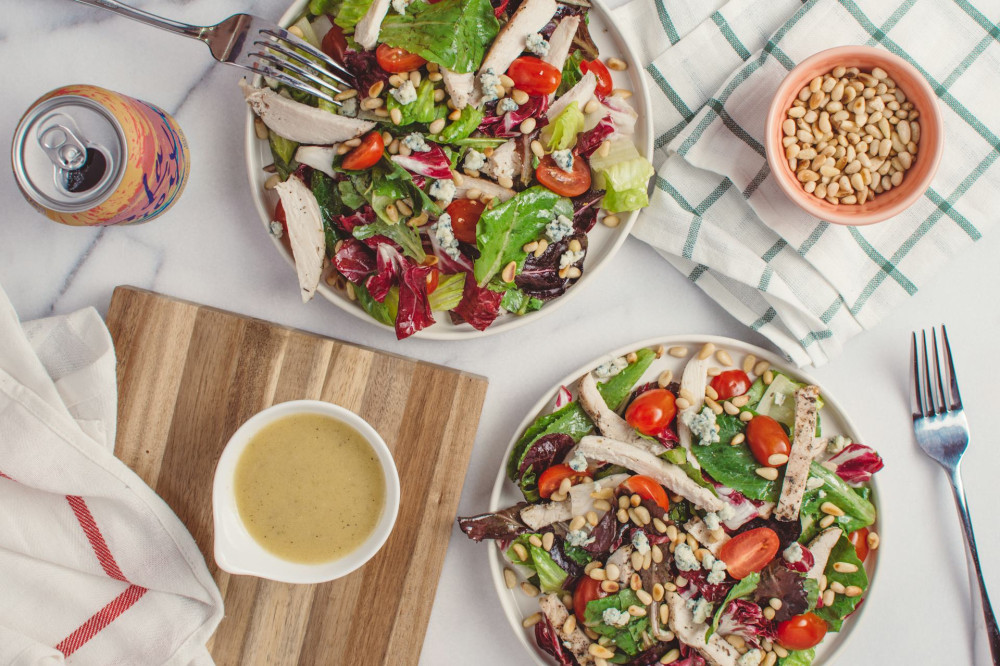
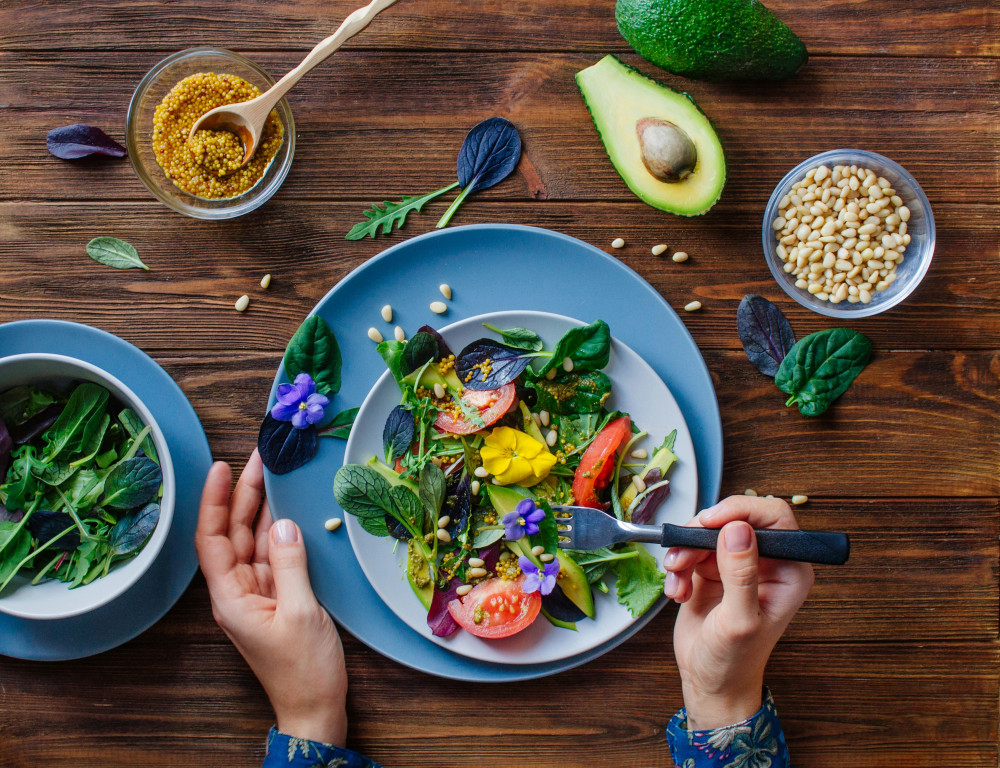
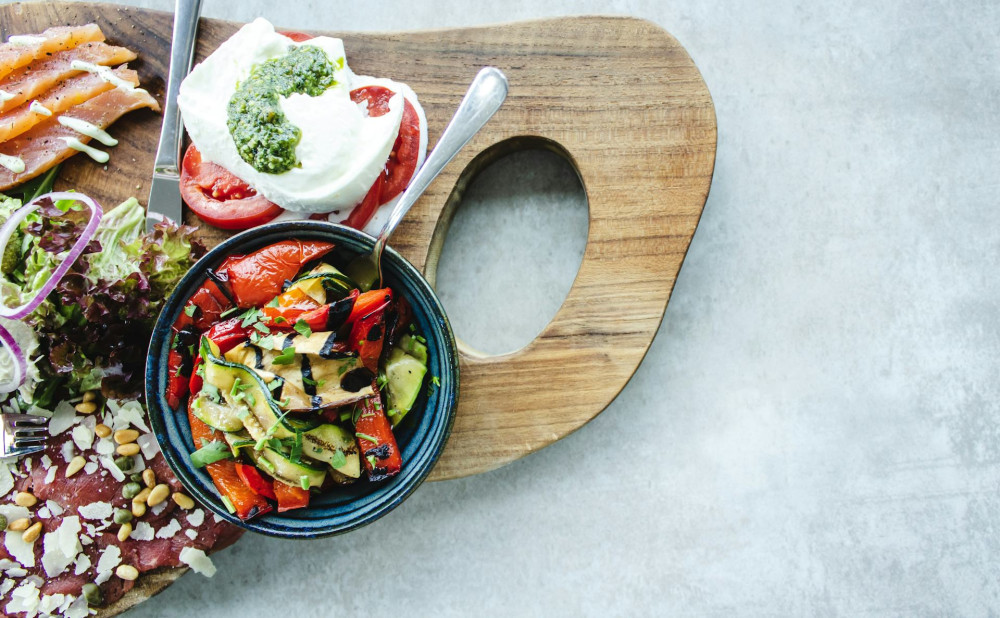
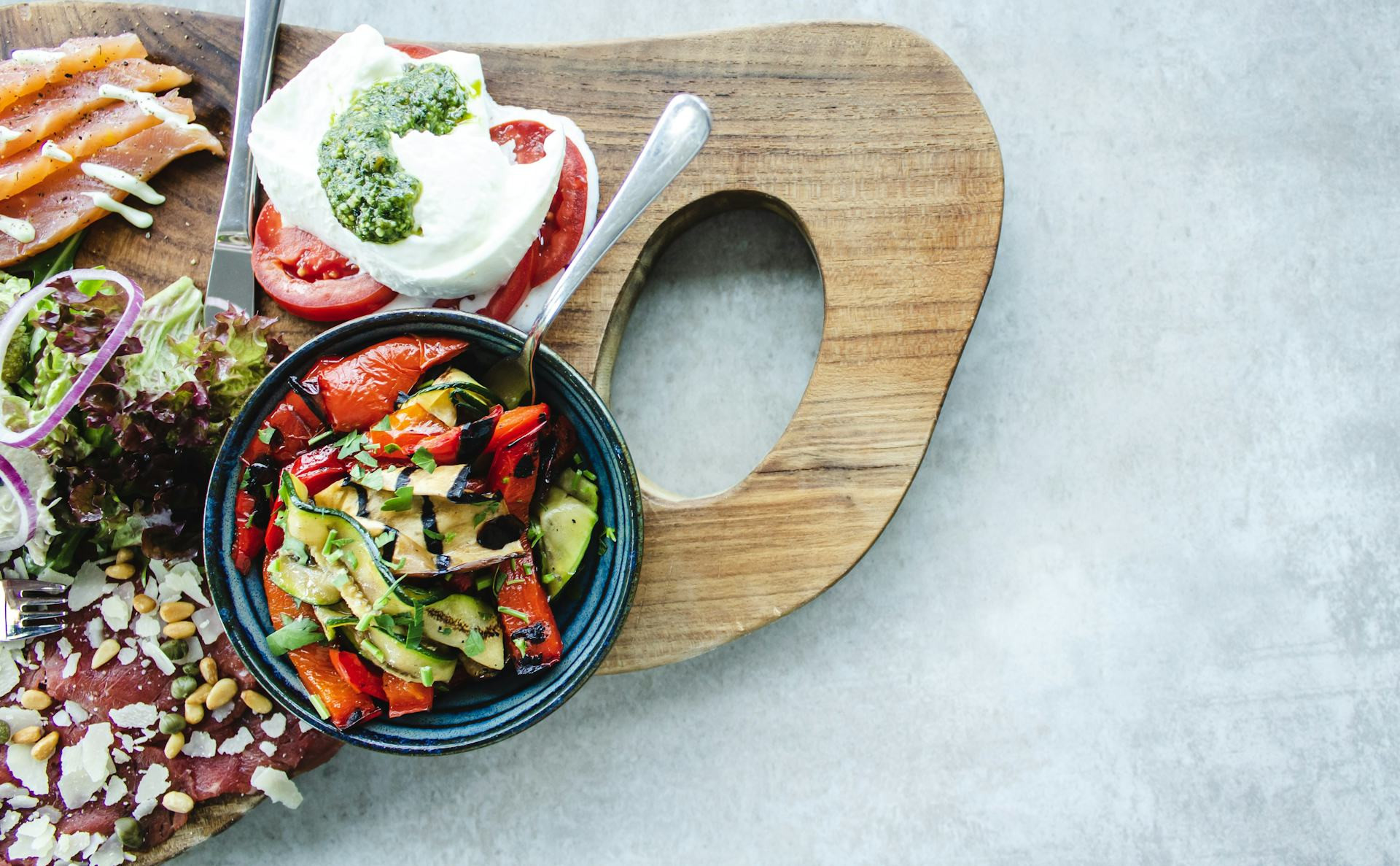
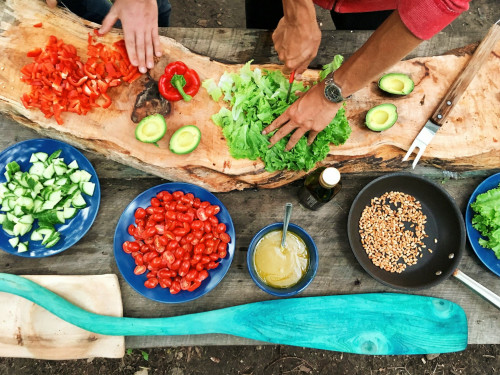
Think in colors when you build your plate — the more colors, the more nutrients you’re getting. And don’t overlook frozen fruits and vegetables; they’re often just as nutritious as fresh ones and last much longer.
Læs også:
Learn to Manage Your Food Budget
For many people, moving out means managing a food budget for the first time. It’s easy to overspend on convenience foods, but they add up quickly. Set a weekly food budget and track where your money goes.
Buy pantry items in bulk when they’re on sale, and avoid grocery shopping when you’re hungry — that’s when impulse buys happen. If you live near friends or roommates, consider splitting bulk purchases like rice, flour, or spices to save money and reduce waste.
Make Cooking a Habit — Not a Chore
Cooking doesn’t have to feel like a burden. Think of it as a way to unwind after a long day. Put on some music, try new recipes, and invite friends over for dinner. Cooking together can be fun, social, and a great way to share costs.
If motivation is hard to find, start small — cook two or three times a week and rely on simple meals or leftovers the rest of the time. The goal is to find a rhythm that fits your lifestyle, not to cook from scratch every night.
Focus on Small, Consistent Habits
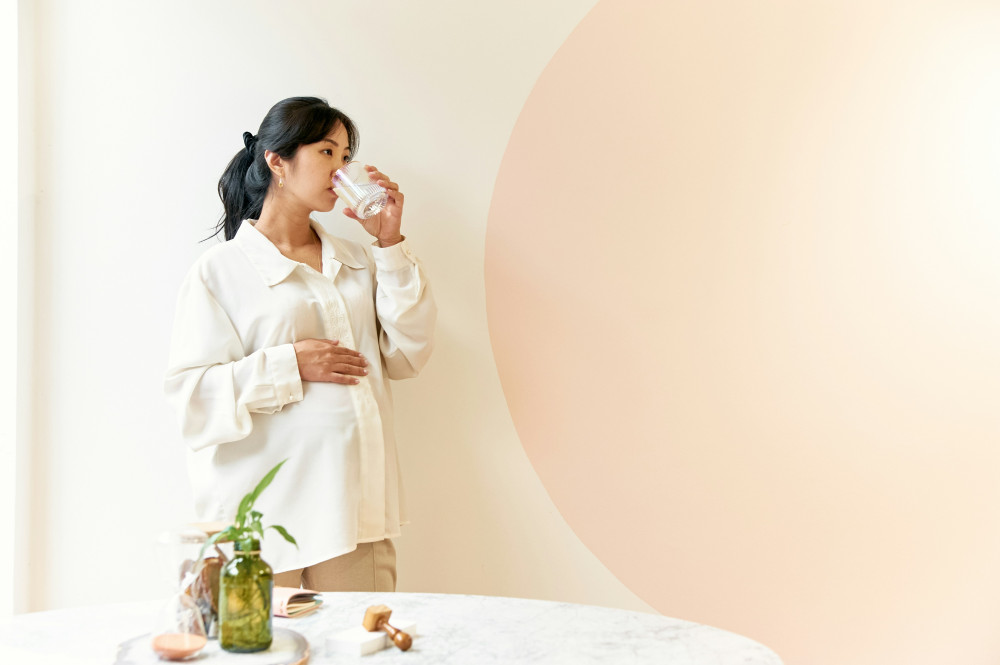
Healthy eating isn’t about perfection — it’s about small, consistent choices. Drink water instead of soda, eat breakfast, and keep snacks like fruit or nuts on hand. These little habits add up and make a big difference over time.
And remember, it’s normal to have ups and downs. Some weeks you’ll meal prep and eat balanced meals; other weeks you might rely on cereal and sandwiches. What matters most is being aware of your choices and learning from experience.
A New Chapter — and New Habits
Moving out isn’t just about having your own space — it’s about taking care of yourself. Food is a big part of that. When you learn to cook, plan, and eat well, you’re not just nourishing your body — you’re building confidence and independence.
So take it one step at a time, experiment, and don’t stress about perfection. The goal isn’t to become a master chef overnight, but to create a daily routine that feels good, tastes good, and supports the life you’re building.
Læs også: