4 Tips to Improve Your Nutrition Levels

Diet
Diet
26/04/2023

4 Tips to Improve Your Nutrition Levels

Diet
Diet
26/04/2023

While we can all agree that staying healthy is important, how we go about achieving it is wildly different from person to person. Many love the kick they get out of a good workout and focus solely on hitting the gym as much as possible to build the body they want – but forget that there’s more to getting fit than just exercising. Managing your nutrition, in particular, can make a huge difference, both when it comes to achieving a strong, lean physique and feeling more energized throughout the day. Below, you’ll find four effective ways in which you can start giving your body more of what it actually needs (and less of what it doesn’t) today.
Know Your Nutritional Status – and Work to Improve It

First off, you have to know what you’re working with. Most people either have some sort of deficiency or something they’re getting too much of – and being aware of your specific weak spots will allow you to adjust your diet and supplements way more accurately than just going off of general advice will. So, before you change up your entire routine, pay the doctor a visit. They’ll have specialized equipment – e.g. like the top-tier hematology analyzers on boule.com – that can tell you your exact nutritional status just from a small blood sample. This way, you can focus your efforts on improving your diet where it actually needs it.

Eat What You Actually Need – No More or Less

The amount of calories each individual needs on a daily basis can vary greatly and is determined by gender, age, daily amount of physical activity, height, fitness goals and more. Of course, this doesn’t mean that you should be tracking every single calorie you eat, since this can easily get out of hand. Knowing approximately how much is reasonable for you to eat in a day and (again, approximately) how many calories are in common foods and drinks is sufficient to help you manage your intake. Also, make sure you take your time to properly eat your meal, so that you register when you’re full – and manage your portions, so that you don’t feel like you have to eat more to clear the plate.


Build Your Meals Around the Right Foods

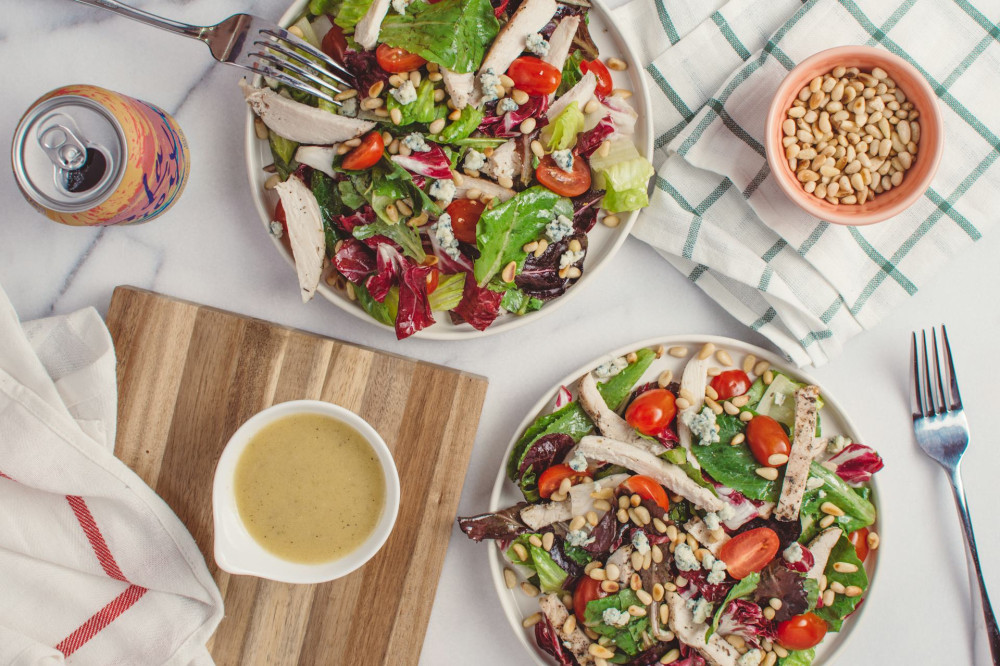
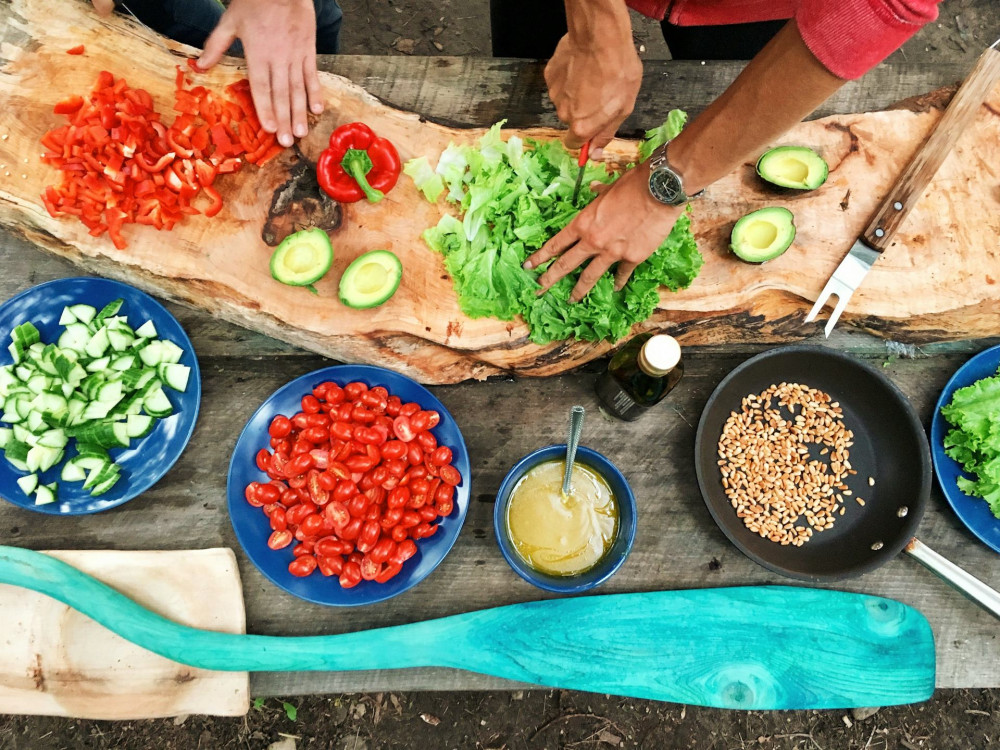
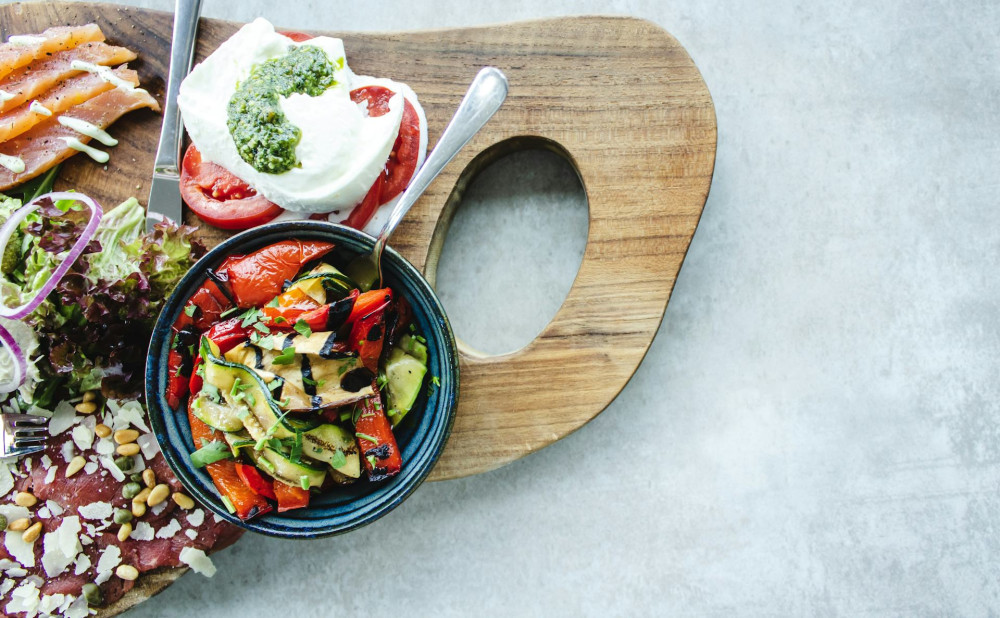
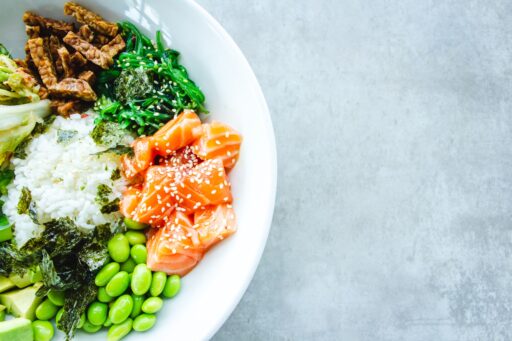
As anyone who’s ever tried to gain muscle definition knows, it takes more than just getting the right number of calories to achieve certain goals. To really make the most of your intake, it’s all about knowing which foods should be the basis of your meals. Fruits and vegetables are great sources of vitamins, minerals and fiber and help stave off a number of health issues, which is why they should take up about half of your plate. Also make sure to get plenty of lean proteins, whole grains and dairy products that are low in fat.

Less Salt, More Water

Lastly, some small, but important adjustments to help your body stay in balance. While you do need a small amount of sodium to maintain basic functions like muscle control, nerve impulses and more, many of us get too much through our diet – which, in the long run, can result in issues like heart disease, high blood pressure and stroke. As a rule of thumb, avoiding processed foods – and reading their nutrition labels, if you do buy them – will allow you more control over your sodium intake. Combine this with increasing your water intake, and you’re way closer to achieving the body’s proper balance of water and minerals.
Mindful Eating: A Path to Balanced Weight and Greater Joy in Food
Discover how mindful eating can transform your relationship with food and support lasting well-being
Diet
Diet
Mindful Eating
Healthy Lifestyle
Nutrition
Wellness
Self-Care
3 min
Learn how slowing down and paying attention to what and how you eat can help you achieve a balanced weight, reduce stress, and bring more joy to your meals. This article explores the principles of mindful eating and offers practical steps to make every bite more meaningful.
Jonah Andrews
Jonah
Andrews
Social commitments and personal recovery – find the balance for more everyday energy
Discover how to balance social life and personal downtime for lasting energy and well-being
Diet
Diet
Well-being
Work-Life Balance
Mental Health
Self-Care
Personal Growth
3 min
Learn how to maintain your energy by finding the right balance between social commitments and personal recovery. This article offers practical tips on setting boundaries, prioritizing what matters, and creating space for rest in your daily life.
Greyson Carter
Greyson
Carter
Plant-Based Eating Made Easy: Start with Small Steps
Discover how simple changes can lead to a healthier, more sustainable lifestyle
Diet
Diet
Plant-Based Diet
Healthy Eating
Sustainable Living
Nutrition
Lifestyle
4 min
Thinking about eating more plant-based but not sure where to start? This guide shows how small, practical steps can make the transition easy and enjoyable. Learn how to add more plants to your plate without stress or sacrifice.
Hannah Edwards
Hannah
Edwards
New Eating Habits, New Home: How to Adjust Your Diet When Moving Out on Your Own
Take control of your meals and discover how to eat well when living on your own for the first time
Diet
Diet
Healthy Eating
Young Adults
Meal Planning
Budget Cooking
Independent Living
3 min
Moving out means new freedom—and new responsibilities, especially when it comes to food. Learn how to plan, cook, and budget for healthy, satisfying meals that fit your lifestyle and support your independence.
Thiago Lee
Thiago
Lee