Good Eye Habits from the Start: Teach Kids to Take Care of Their Vision

Good Eye Habits from the Start: Teach Kids to Take Care of Their Vision
Children’s eyes are constantly developing, and the habits they form early in life can have a lasting impact on their vision. In a world where screens are part of everyday life and outdoor playtime is often limited, it’s more important than ever to teach kids how to care for their eyes. Small, consistent steps can go a long way in preventing eye strain, nearsightedness, and other vision problems.
Why Children’s Eyes Need Attention
Vision plays a key role in how children learn and explore the world. Experts estimate that up to 80 percent of what kids learn comes through their eyes. If their vision isn’t working properly, it can affect reading, focus, and even coordination. Parents should watch for signs such as frequent squinting, sitting too close to screens or books, or complaints of headaches or blurry vision.
Because children’s eyes are more adaptable—and more sensitive—than adults’, early attention and healthy routines can make a big difference in protecting their sight.
Smart Screen Time
Screens are part of modern childhood, from tablets and computers at school to TV and gaming at home. But too much close-up work can strain the eyes and increase the risk of nearsightedness. The goal isn’t to ban screens, but to use them wisely.
- Follow the 20-20-2 rule: Every 20 minutes, have your child look at something at least 20 feet away for 20 seconds—and aim for at least 2 hours of outdoor time each day.
- Keep lighting balanced: Avoid using screens in a dark room; the contrast can tire the eyes.
- Maintain proper distance: The screen should be about an arm’s length away, with the eyes looking slightly downward.
- Encourage screen-free breaks: Outdoor play, crafts, or reading a printed book give the eyes a rest.
The Power of Daylight and Outdoor Play
Research shows that children who spend at least two hours a day outdoors are less likely to develop nearsightedness. Natural light helps regulate eye growth and supports healthy vision development.
Encourage outdoor play every day—even on cloudy days. It doesn’t have to be organized sports; a walk, bike ride, or backyard playtime all count. Outdoor activity also promotes physical health and mental well-being, making it a win for the whole body.
Healthy Reading and Homework Habits
Reading and homework require intense focus at close range, which can lead to eye fatigue if the environment isn’t right.
- Provide good lighting: Natural daylight is best, or use a lamp that gives even, glare-free light.
- Keep a comfortable distance: Books or papers should be about 12–16 inches from the eyes.
- Encourage movement: Have your child stand up, stretch, and look out the window every 20–30 minutes.
- Avoid reading in bed: Poor posture and uneven lighting can strain the eyes.
These small adjustments can make reading more comfortable and reduce eye strain.
Nutrition and Sleep Matter Too
Healthy eyes depend on more than just screen habits. Nutrients like vitamin A, vitamin C, zinc, and omega-3 fatty acids are essential for eye health. Offer a balanced diet with colorful fruits and vegetables, whole grains, and fish such as salmon or tuna.
Adequate sleep is also crucial. Tired eyes focus less effectively, and lack of rest can cause dryness and irritation. Set consistent bedtimes and limit screen use before bed to help the eyes—and the brain—wind down.
Læs også:
Regular Eye Exams
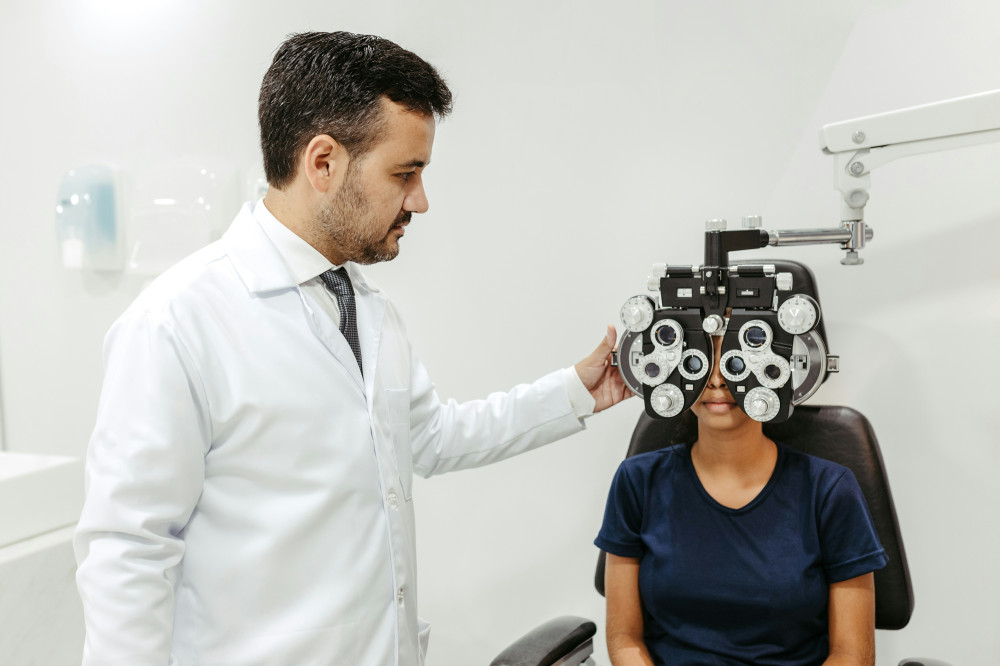
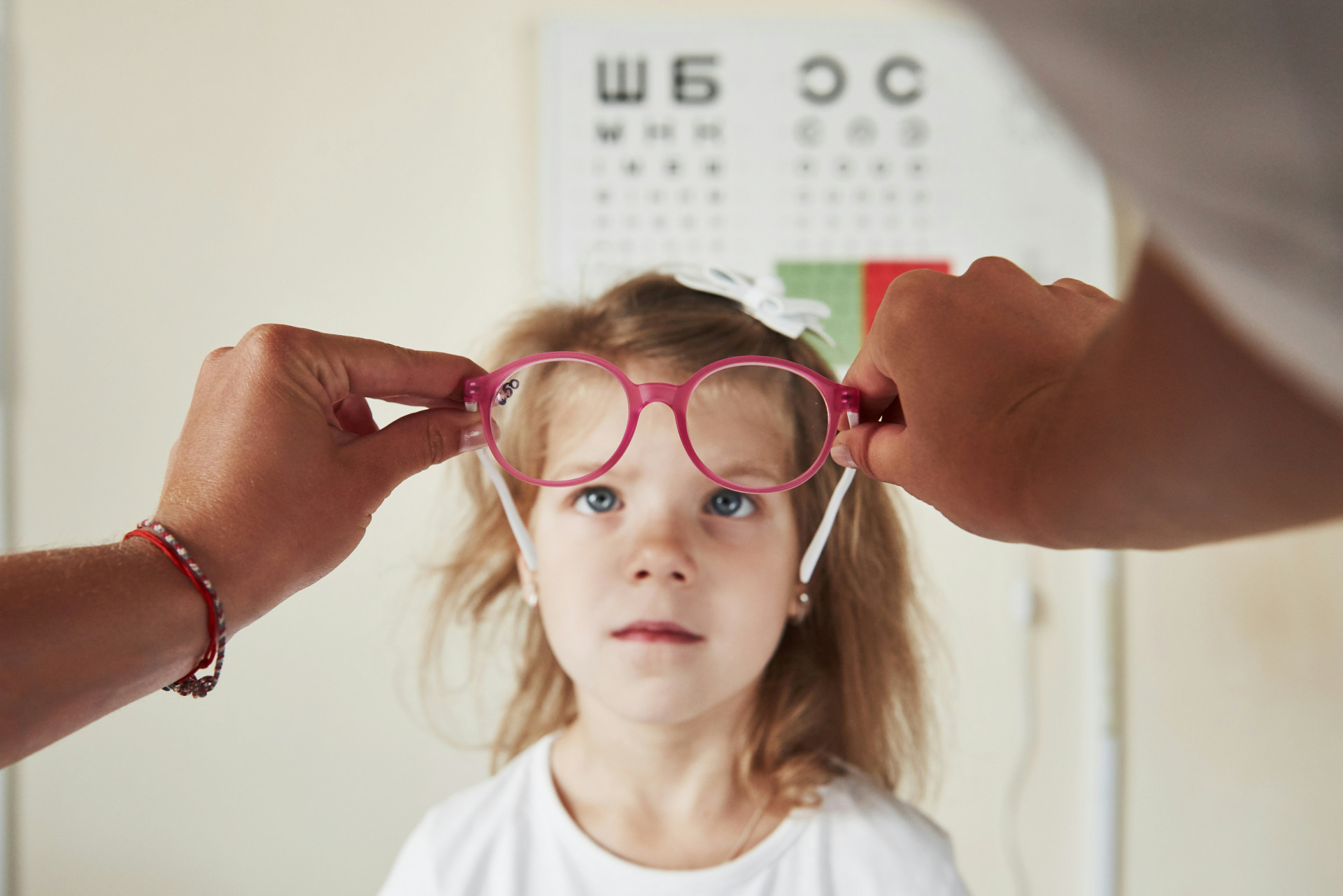
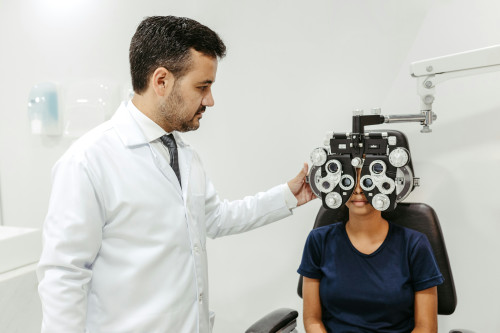
Even with good habits, some children may need glasses or other vision correction. The American Optometric Association recommends that children have their first comprehensive eye exam at 6 months, again at age 3, before starting school, and every one to two years after that. Early detection of vision issues can prevent long-term problems and support learning success.
Make Eye Care Fun
Kids learn best through play and repetition. Turn eye care into a game—set timers for “eye breaks,” play “look far” challenges, or track outdoor time with stickers or charts. When eye-friendly habits become part of daily life, children will follow them naturally.
A Clear View of the Future
Teaching children to care for their eyes isn’t just about avoiding glasses—it’s about helping them see the world clearly, stay focused, and feel their best. With a little awareness and a few simple routines, you can help your child build lifelong habits for healthy vision and a bright, clear view of the future.
Læs også: