Back to School and Vision: New Requirements for Children’s Eyesight

Back to School and Vision: New Requirements for Children’s Eyesight
As children head back to school, their eyes face new challenges. Reading from whiteboards, tablets, books, and computer screens requires the eyes to focus quickly, shift between distances, and work together efficiently. Good vision is not just about seeing clearly—it’s about how well the eyes coordinate and how the brain processes what they see. With classrooms becoming increasingly digital and screen time rising, eye health professionals in the U.S. are paying closer attention to children’s visual development and the need for early detection of vision problems.
Vision as a Learning Tool
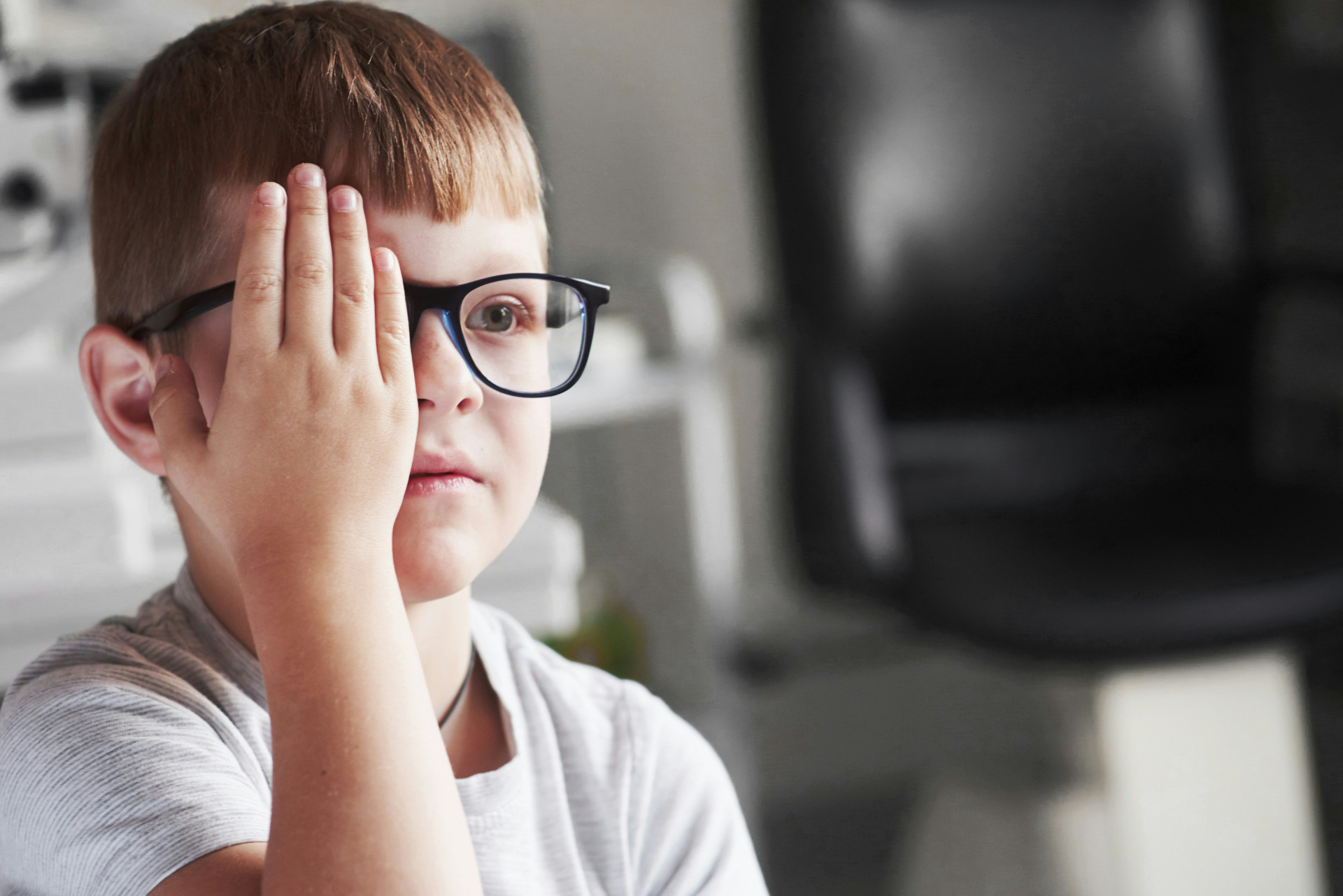
Vision plays a central role in learning. Experts estimate that up to 80 percent of classroom learning is visual. When a child’s vision isn’t functioning properly, it can affect concentration, reading ability, and motivation. A student who struggles to focus on the board or experiences double vision may tire easily, lose interest in reading, or complain of headaches.
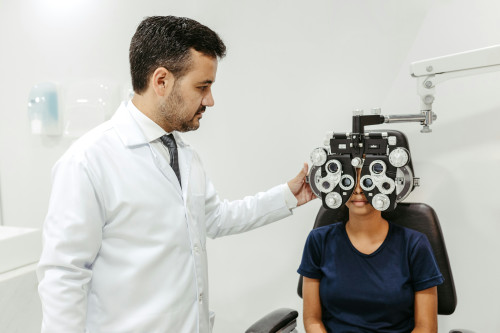
Many parents don’t realize their child has a vision problem until schoolwork becomes difficult. That’s why the American Optometric Association (AOA) recommends that all children have a comprehensive eye exam before starting school—even if they don’t show obvious signs of trouble. Early detection can prevent small issues from turning into bigger learning challenges.
New Demands in a Digital Classroom
Today’s students spend more time than ever on screens—laptops, tablets, and smartboards are now part of everyday learning. This shift places new demands on children’s eyes, which must focus at close range for extended periods. Prolonged screen use can also reduce blinking, leading to dry or irritated eyes.
Recent studies suggest that increased screen time may contribute to a rise in childhood myopia (nearsightedness). When the eyes constantly focus on nearby objects, it can affect eye growth and lead to the need for glasses at an earlier age. To help protect vision, eye care professionals recommend regular breaks from screens and plenty of outdoor time. Natural daylight and looking into the distance help the eyes relax and develop properly.
Læs også:
Signs Your Child May Have Vision Problems
Children rarely realize they’re seeing differently from others, so it’s important for parents and teachers to watch for warning signs such as:
- Squinting or sitting very close to the screen or book
- Complaints of headaches, tired eyes, or dizziness after reading
- Skipping lines or losing their place while reading
- Rubbing their eyes frequently or blinking excessively
- Difficulty concentrating for long periods
If you notice any of these signs, schedule an eye exam with an optometrist or ophthalmologist. Many vision issues can be corrected easily if caught early.
Prevention and Early Action
Regular eye exams are one of the best ways to protect your child’s vision. The AOA recommends a first comprehensive eye exam at 6 months, another at age 3, and again before first grade. After that, children should have their eyes checked every one to two years, or more often if problems are detected.
Simple daily habits can also make a big difference:
- Ensure good lighting for reading and homework.
- Follow the “20-20-2” rule: every 20 minutes of screen time, look 20 feet away for 20 seconds—and spend at least 2 hours outdoors each day.
- Maintain proper posture and screen distance.
- Encourage regular breaks from close-up work.
Working Together: Schools and Parents
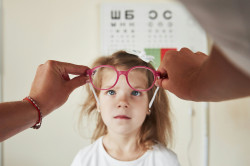
Teachers are often the first to notice when a child struggles to see the board or follow along in class. Schools can play a key role by promoting vision screenings and sharing information with parents. When parents and educators work together, children are more likely to receive timely care and support.
Good communication between families, schools, and eye care professionals ensures that vision problems don’t stand in the way of learning. A child who sees clearly can participate more confidently, stay engaged, and enjoy school.
A Clear View of the Future
Healthy vision is essential for a child’s academic and social development. With the growing demands of digital learning, it’s more important than ever to prioritize eye health. A simple eye exam can make the difference between struggling and thriving in school.
Protecting children’s eyesight is an investment in their future—because clear vision helps them see, learn, and experience the world to its fullest.
Læs også: