Digital Tools That Monitor Your Vision


Digital Tools That Monitor Your Vision
Our eyes are among our most vital senses—and yet, they’re easy to take for granted. It’s often only when text on a screen starts to blur or road signs become hard to read that we realize something has changed. Fortunately, a new generation of digital tools is making it easier to monitor and protect our vision long before problems become noticeable. From smartphone apps that test visual acuity to smart glasses that track eye strain, technology is becoming an active partner in eye health.
From the Eye Doctor’s Office to Your Smartphone
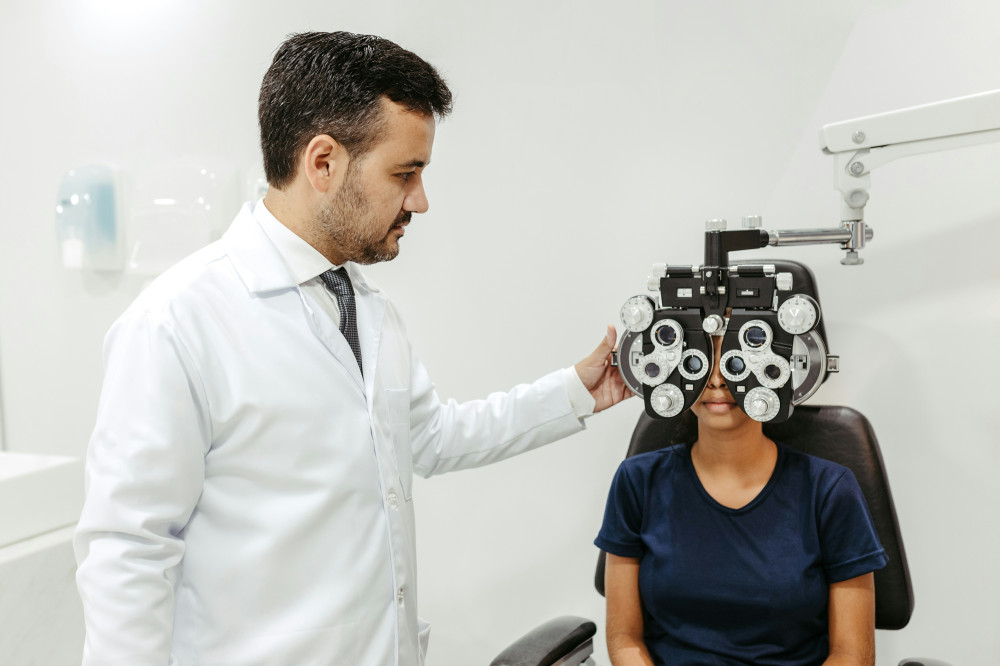
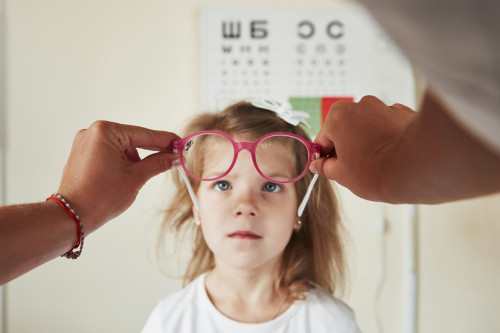
Not long ago, the only way to check your vision was to visit an optometrist or ophthalmologist. Today, a growing number of mobile apps can give you a quick snapshot of how your eyes are doing. These apps often include simple tests that ask you to identify letters, colors, or moving shapes on your screen. While they can’t replace a professional exam, they can help you decide whether it’s time to schedule one.
Some apps go further by using your phone’s camera to analyze eye movements and pupil size. This can reveal how quickly your eyes focus and whether there are signs of fatigue or imbalance. For people who spend long hours in front of a computer, such tools can be a useful way to detect early signs of digital eye strain.
Smart Glasses and Contact Lenses with Sensors
Wearable technology has also entered the world of eye care. Researchers and tech companies are developing glasses and contact lenses equipped with tiny sensors that can measure everything from blink rate to intraocular pressure. This could be especially valuable for people with conditions like glaucoma, where eye pressure plays a key role.
Some experimental contact lenses are even designed to monitor glucose levels in tear fluid—a potential breakthrough for people with diabetes, allowing them to track both blood sugar and eye health at the same time. While many of these innovations are still in development, they point toward a future where our eyes can provide continuous data about our overall health.
Artificial Intelligence as the Eye Doctor’s Assistant
Artificial intelligence (AI) is rapidly transforming modern eye care. Today, AI algorithms can analyze retinal images and detect early signs of diseases such as diabetic retinopathy or age-related macular degeneration—sometimes faster and more accurately than the human eye.
Several eye clinics in the U.S. are already using AI as a diagnostic aid. This allows patients to receive quicker results and helps doctors focus on the cases that need the most attention. In the near future, AI-powered tools may even make it possible to screen for eye diseases at home, simply by taking a photo with a smartphone.
Læs også:


Benefits and Challenges
Digital tools open new possibilities for tracking your own eye health, but they also raise important questions. How accurate are the measurements? Who has access to the data? And could relying too heavily on technology cause people to miss serious symptoms?
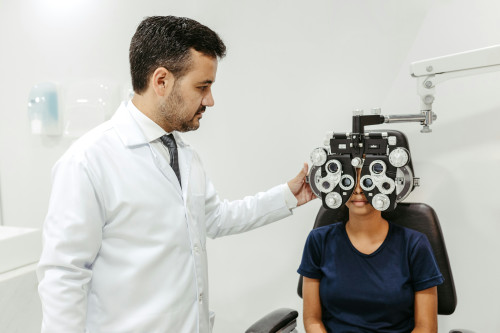
Experts emphasize that digital solutions should complement—not replace—regular eye exams. It’s also important to choose products from reputable providers that handle health data securely and comply with privacy regulations such as HIPAA.
A Glimpse into the Future
Technology is advancing quickly, and it may soon be common for our glasses or phones to automatically monitor how our eyes are doing. They might alert us when we’ve been staring at a screen for too long or when lighting conditions are poor. They could even detect early signs of disease before we notice any symptoms ourselves.
Whatever the future holds, one thing is clear: digital tools will play an increasingly important role in preserving our vision—and in helping us become more aware of how to take care of it.
Læs også: