Eye Exams at Work – How to Spot the Need for Vision Aids

Eye Exams at Work – How to Spot the Need for Vision Aids
Many Americans spend most of their workday in front of a computer, behind the wheel, or in environments where clear vision is essential. Yet regular eye exams are often overlooked. Vision changes can happen gradually, affecting productivity, focus, and overall well-being—sometimes without you even realizing it. Workplace eye exams are a simple way to prevent problems and ensure everyone sees clearly on the job.
Why Good Vision Matters at Work
Whether you work at a desk, operate machinery, drive, or interact with people, good vision is key to doing your job safely and effectively. When eyesight declines, your body often compensates without you noticing—you might lean closer to the screen, squint, or strain your neck and shoulders. Over time, this can lead to headaches, fatigue, and reduced concentration.
A regular eye exam can determine whether you need glasses, contact lenses, or specialized computer eyewear tailored to your work environment. It’s not just about comfort—it’s about safety, performance, and long-term health.
Signs You May Need an Eye Exam
Many people don’t realize their vision has changed until it starts to interfere with daily tasks. Here are some common signs that it’s time to schedule an eye exam:
- You experience headaches or eye strain by the end of the day.
- You squint to see clearly, especially when reading or using a screen.
- You have trouble focusing on your monitor or reading small print.
- You notice blurry or double vision.
- You feel that light bothers you more than before, or colors and contrasts seem duller.
- You move your screen or reading materials closer to see better.
Even small changes in vision can have a big impact on how you work and feel throughout the day.
Employer Responsibilities and Employee Rights
In the United States, employers are required under the Occupational Safety and Health Administration (OSHA) to provide a safe workplace, which includes addressing potential vision hazards. While there’s no federal law mandating routine eye exams for all employees, many companies include them as part of wellness programs or safety initiatives—especially for jobs involving screens, driving, or precision work.
If your job requires protective eyewear or involves extensive computer use, your employer may offer or reimburse eye exams and prescription safety glasses. It’s worth asking your HR department about available vision benefits or workplace wellness options.
What to Expect During a Workplace Eye Exam
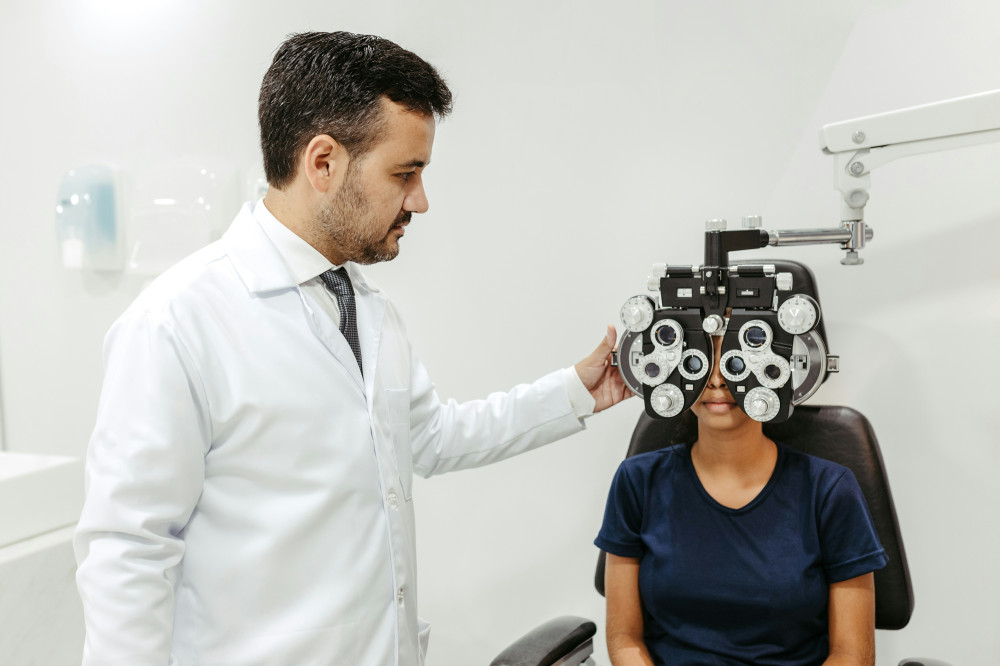
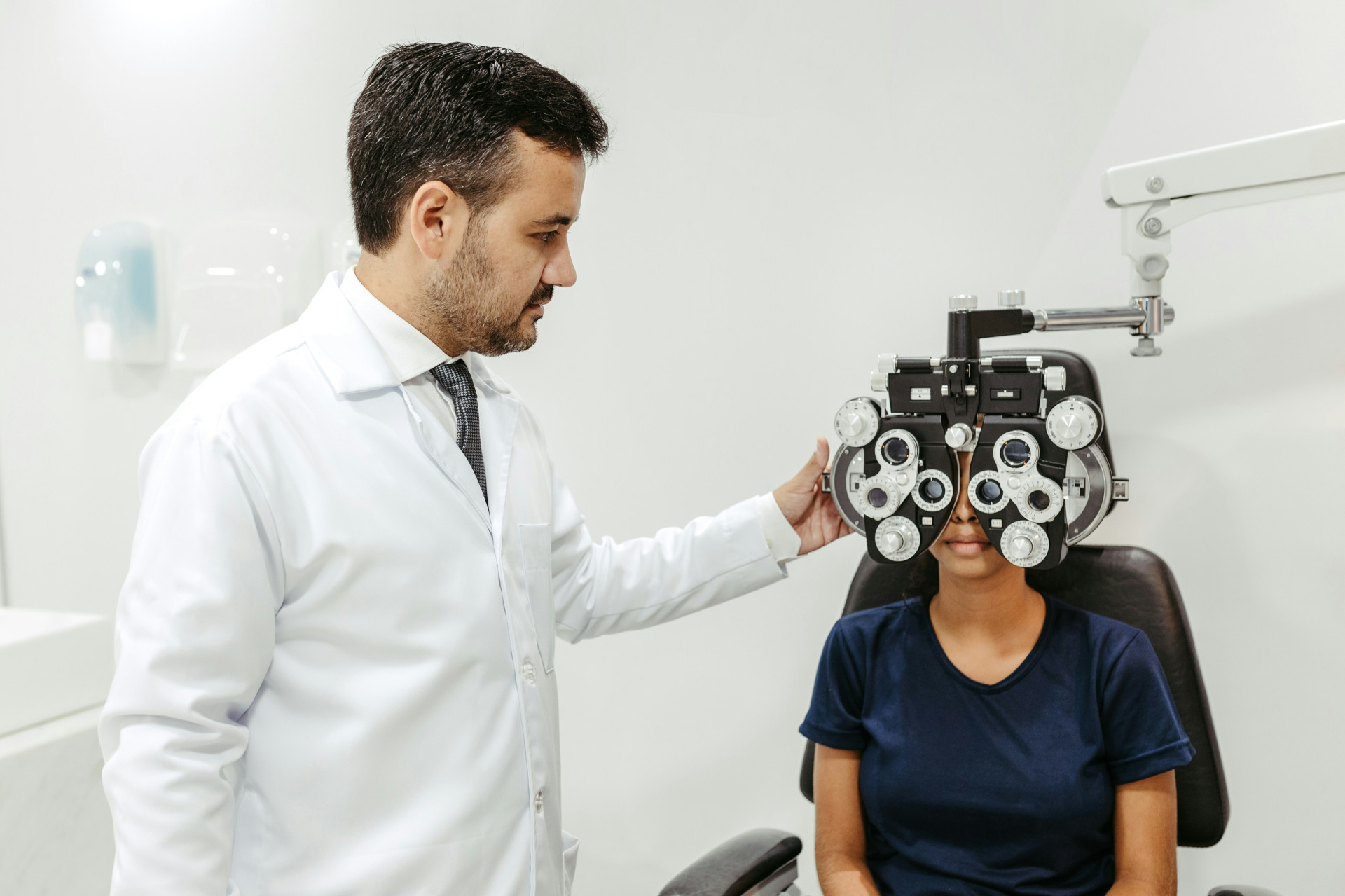
A workplace eye exam is typically quick and straightforward. An optometrist or vision specialist will test your visual acuity, depth perception, and ability to focus at different distances. They may also discuss your work setup—lighting, screen height, and distance—to ensure your vision correction fits your specific tasks.
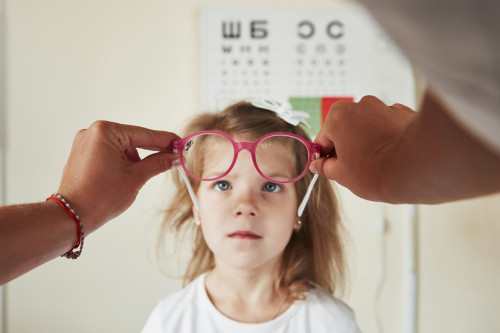
If the exam shows that you need vision aids, you’ll receive a prescription or recommendation for glasses designed for your work environment. Some employers partner with local optometrists or vision care providers to make the process easy and affordable.
Læs også:


Preventive Habits for Healthy Eyes
Even if your vision is good, your eyes can still become tired from long hours of focused work. Fortunately, a few simple habits can help prevent discomfort:
- Take regular breaks – follow the 20-20-20 rule: every 20 minutes, look at something 20 feet away for 20 seconds.
- Adjust your lighting – avoid glare and overly bright light.
- Position your screen properly – it should be slightly below eye level and about an arm’s length away.
- Blink often – it keeps your eyes moist and reduces irritation.
- Stay hydrated – dry eyes can worsen with dehydration.
These small adjustments can make a noticeable difference in comfort and focus.
Clear Vision, Better Work
Good vision isn’t just about seeing well—it’s about working safely, efficiently, and comfortably. When you see clearly, you make fewer mistakes, feel less fatigued, and perform better overall. Regular eye exams should be part of every workplace wellness strategy, just like ergonomic assessments and breaks.
Taking care of your eyes is an investment in both your personal well-being and your company’s productivity. A simple eye exam at work can make a big difference in how you see—and how you work—every day.
Læs også: