Maintain Your Results: Small Adjustments with a Big Impact for Healthy Gums


Maintain Your Results: Small Adjustments with a Big Impact for Healthy Gums
Healthy gums are the foundation of a strong, confident smile. While many people focus on bright, white teeth, the health of your gums is just as important for both appearance and overall oral wellness. The good news? You don’t need major changes to make a difference. Small, consistent adjustments to your daily routine can help prevent gum disease and maintain the results of your dental cleanings or treatments. Here’s how to keep your gums healthy for the long run.
Why Your Gums Matter More Than You Think
Your gums act as a protective barrier around your teeth, keeping them stable and shielding the underlying bone. When gums are healthy, they appear firm and pink. But when plaque builds up along the gumline, it can lead to inflammation—first as mild redness or bleeding, and later as periodontitis, a more serious condition that can damage the bone supporting your teeth.
The encouraging part is that gums respond quickly to better care. Within days of improving your oral hygiene, you can often see and feel a difference. It’s not about drastic changes—it’s about small, steady improvements.
Læs også:


Adjust Your Brushing Technique – It Really Matters
Many people brush too hard or too fast, which can irritate or even damage the gums. A soft-bristled toothbrush and gentle, circular motions are far more effective than aggressive scrubbing.
- Hold your toothbrush at a 45-degree angle toward the gumline to clean both teeth and gums.
- Brush for two minutes, dividing your mouth into four sections and spending about 30 seconds on each.
- Replace your toothbrush every three months or sooner if the bristles start to fray.
If you use an electric toothbrush, let the brush head do the work—don’t press too hard. Most models have pressure sensors that alert you if you’re brushing too forcefully.
Flossing and Interdental Brushes – Small Tools, Big Benefits
Even the best toothbrush can’t reach between your teeth. That’s where bacteria love to hide, and where gum inflammation often begins. Flossing or using interdental brushes removes plaque and food particles that brushing alone can’t reach.
- Floss once a day, ideally before bedtime.
- If you have larger spaces between teeth, interdental brushes may be more effective.
- Be gentle—flossing shouldn’t hurt. Think of it as a light massage for your gums.
It might take a little time to get used to, but after a few weeks, it becomes a natural part of your routine.
Nutrition and Hydration for Gum Health
Your diet plays a key role in maintaining healthy gums. Sugary drinks and snacks feed harmful bacteria, while a balanced diet rich in vitamins and minerals supports gum tissue and bone health.
- Vitamin C helps strengthen the connective tissue in your gums—enjoy plenty of fruits and vegetables.
- Calcium and vitamin D support the bone structure around your teeth.
- Drink water instead of soda or juice—it rinses your mouth and helps neutralize acids.
A simple tip: finish your meal with a piece of cheese or a glass of water to help balance your mouth’s pH and protect your enamel.
Regular Dental Checkups – Your Best Insurance
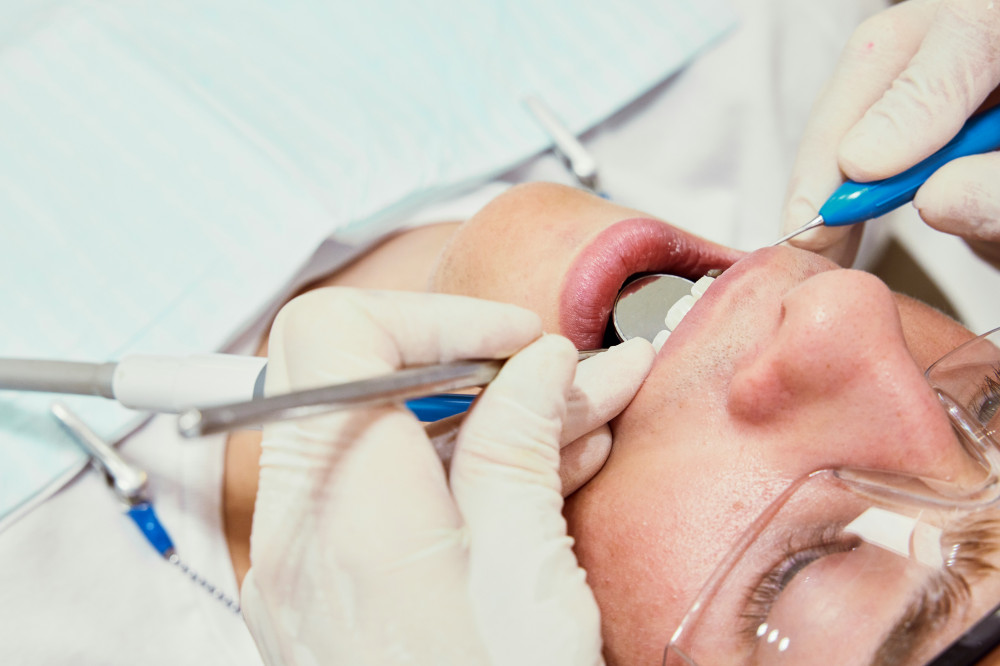
Even with great home care, professional checkups are essential. Your dentist or dental hygienist can spot early signs of gum problems before they become serious. Professional cleanings remove hardened plaque (tartar) that you can’t remove at home, giving your gums a chance to heal and stay healthy.
Most adults should visit the dentist at least once or twice a year, but if you’ve had gum issues in the past, your dentist may recommend more frequent visits.
Small Habits, Lasting Results
Maintaining healthy gums isn’t about big changes—it’s about consistency. Using a soft brush, flossing daily, eating a balanced diet, and keeping up with regular dental visits can prevent many problems and save you from discomfort and costly treatments down the road.
Once you notice the difference—fresher breath, less bleeding, and firmer gums—it becomes easier to stick with your routine. In the end, it’s the small adjustments that make the biggest impact.
Læs også: