Discolored tooth? It could be caused by a previous injury

Discolored tooth? It could be caused by a previous injury
Noticing that one of your teeth has changed color can be worrying. Maybe it looks darker, grayish, or yellow compared to the others—and you’re wondering what happened. While discoloration is often caused by coffee, tea, or tobacco, sometimes the reason goes back much further: a past injury to the tooth. Here’s what you should know about how trauma can affect tooth color and what you can do about it.
When a tooth is injured—but doesn’t fall out
A blow to the mouth—whether from sports, a fall, or an accident—can damage the inner tissue of a tooth even if it doesn’t chip or loosen. Inside every tooth is the pulp, which contains nerves and blood vessels. If the blood supply is disrupted, the pulp tissue can die, and the tooth may lose its natural color from the inside out.
At first, the tooth might look completely normal. But over time, it can start to darken. This happens because pigments from the breakdown of blood cells seep into the hard tissue of the tooth. The process can take months or even years, which is why many people don’t notice the discoloration until long after the injury occurred.
Different types of discoloration
There are several kinds of tooth discoloration, and it’s important to know the difference:
- External discoloration comes from pigments in food, drinks, or tobacco that stick to the surface of the tooth. It can usually be removed with a professional cleaning or whitening treatment.
- Internal discoloration happens when the color changes inside the tooth—often after trauma or a root canal. This type requires a different approach to treatment.
A tooth that darkens after an injury isn’t necessarily dirty or poorly cared for. It’s a sign that something has changed inside the tooth.
Læs også:



When to see a dentist
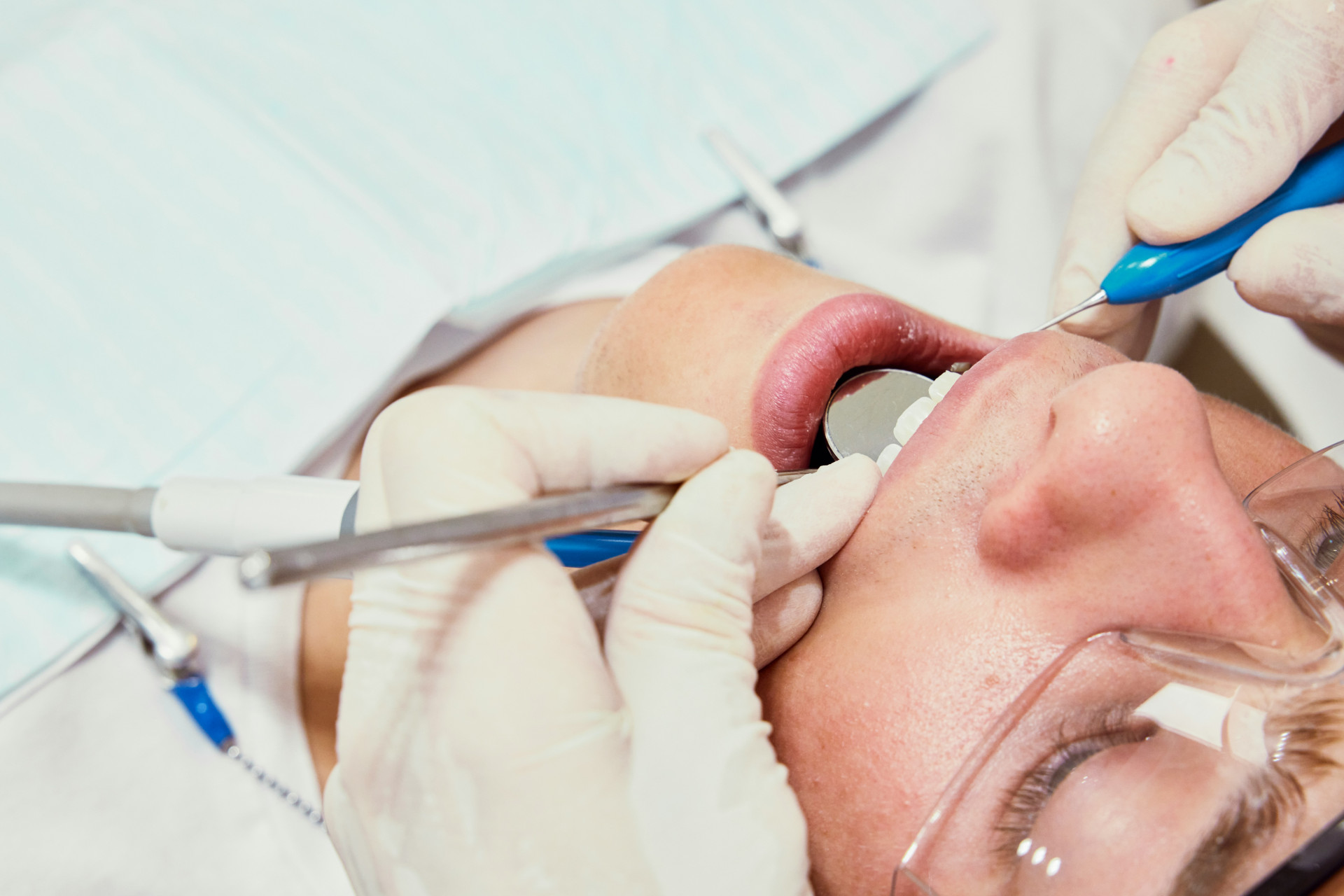
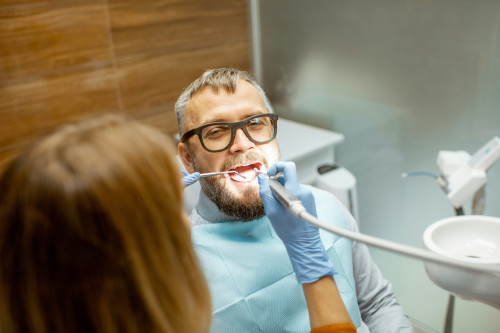
If you notice that a tooth has changed color, it’s a good idea to have it checked by a dentist. They can take an X-ray to see whether the pulp is still alive or if there are signs of infection near the root. Even an old injury can cause problems years later if bacteria enter the inner part of the tooth.
Watch for these warning signs:
- Pain or tenderness when chewing
- Swelling or discoloration of the gum around the tooth
- A tooth that feels “dead” or different from the others
The sooner you have the tooth examined, the better the chances of saving it.
Treatment options for a discolored tooth
Treatment depends on the cause. If the pulp has died, your dentist will likely recommend a root canal to remove the dead tissue and prevent infection. Afterward, the tooth can often be lightened from the inside with a procedure called internal bleaching, where a whitening agent is placed inside the tooth for a period of time.
In some cases, if the color difference is significant or the tooth has become fragile, your dentist may suggest covering it with a crown or veneer. They’ll help you choose the option that provides the best cosmetic and functional result.
Can you prevent discoloration after an injury?
It’s not always possible to prevent a tooth from changing color after trauma, but you can reduce the risk of complications by acting quickly. If you get hit in the mouth—especially if a tooth feels loose or sore—contact your dentist right away. An early evaluation can reveal damage that isn’t visible to the naked eye.
If you play contact sports or activities with a risk of impact, wearing a mouthguard is a smart precaution. It helps protect your teeth from fractures and discoloration caused by injury.
A discolored tooth isn’t just a cosmetic issue
While many people first notice discoloration for aesthetic reasons, it can also signal an underlying dental problem. That’s why it’s important to look beyond appearance and consider the health of the tooth itself. A dentist can identify the cause and recommend the right treatment—helping you keep both a healthy and confident smile.
Læs også: