Braces and Oral Hygiene – How to Make Your Daily Routine Work

Braces and Oral Hygiene – How to Make Your Daily Routine Work
Getting braces changes the way you care for your teeth. Suddenly, brushing takes longer, and you have to pay extra attention to cleaning around brackets and wires. It can feel overwhelming at first, but with the right habits, it quickly becomes part of your everyday routine. Here’s a guide to keeping your teeth and braces clean—and making your daily routine work.
Why Oral Hygiene Matters Even More with Braces
Braces create many small spaces where food particles and bacteria can easily get trapped. If not removed, they can lead to staining, cavities, and gum inflammation. Poor cleaning can even slow down your orthodontic progress, since irritated gums can affect how your teeth move.
That’s why good oral hygiene isn’t just about having a nice smile—it’s an essential part of your orthodontic treatment.
Your Daily Routine – Step by Step
A good routine is all about consistency and making it easy for yourself. Here’s a simple plan to follow morning and night:
- Rinse your mouth with water to remove loose food particles.
- Brush thoroughly for at least two minutes. Use a soft-bristled toothbrush or an electric brush with a small head to reach around brackets and wires.
- Use floss or interdental brushes designed for braces to clean between teeth and under wires.
- Finish with a fluoride rinse to strengthen enamel and help prevent cavities.
If you have a removable appliance, brush it separately with a soft toothbrush and rinse it in cool water. Avoid hot water—it can warp the plastic.
Helpful Tools for Braces Wearers
There are many products that can make oral care easier when you have braces:
- Orthodontic toothbrushes with V-shaped bristles that fit around brackets.
- Interdental brushes in various sizes to clean between wires and teeth.
- Superfloss – a special type of floss with a stiff end that helps thread it under braces.
- Water flossers, which use a stream of water to flush out food debris from hard-to-reach areas.
- Fluoride toothpaste and mouthwash for extra protection against acid attacks.
It may take some trial and error to find what works best for you, but your orthodontist or dental hygienist can help you choose the right tools.
Food and Drinks – What to Watch Out For
When you have braces, certain foods can cause trouble. Hard or sticky foods like caramel, nuts, popcorn, and hard candies can damage brackets or wires. Sticky foods also cling to braces and are difficult to clean off.
Sugary drinks like soda, sports drinks, and juice increase the risk of cavities—especially when combined with braces. Water and milk are better everyday choices.
A good tip is to cut your food into smaller pieces and chew carefully. It helps protect both your teeth and your braces.
When You’re on the Go
Keeping up your routine can be tricky when you’re at school, work, or traveling. Pack a small “braces kit” with a travel toothbrush, toothpaste, interdental brush, and a small bottle of mouthwash. That way, you can clean your teeth after meals even when you’re not at home.
Læs også:


Regular Checkups with Your Orthodontist
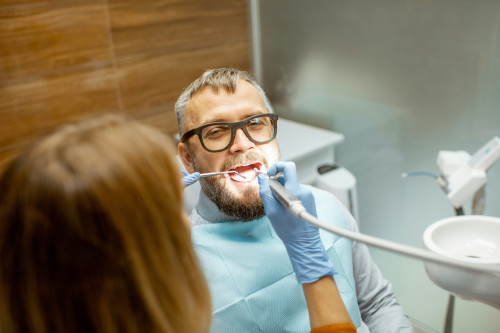
Even with great home care, regular checkups are essential. Your orthodontist will adjust your braces and make sure your teeth and gums stay healthy. If you notice pain, loose brackets, or irritation, contact the office right away—small issues can quickly become bigger problems if ignored.
When the Braces Come Off – and Beyond
Getting your braces off is exciting, but it’s also the start of a new phase. You’ll likely receive a retainer—either removable or fixed—to keep your teeth in their new positions. It also needs daily cleaning and good oral hygiene.
Keep up the habits you developed during treatment. They’ll help you maintain a healthy, beautiful smile for life.
A Routine That Pays Off
Orthodontic treatment takes patience, but the results are worth it. With a consistent daily routine, the right tools, and a little discipline, you can avoid problems and make sure your smile stays both healthy and bright. It’s not about perfection—it’s about persistence.
Læs også: