Your child’s immune system over the years – what to expect as a parent

Your child’s immune system over the years – what to expect as a parent
As a parent, it’s natural to worry when your child gets sick—especially in the early years, when it can feel like colds and fevers never end. But frequent illnesses are actually part of how the immune system learns and grows stronger. Your child’s immune system develops step by step, gaining experience with every new germ it encounters. Here’s what you can expect as your child’s immune defenses mature over time.
The first months – protection from mom
At birth, a baby’s immune system is still immature. In the first few months, your baby relies heavily on antibodies passed from you during pregnancy through the placenta. If you breastfeed, your baby also receives additional antibodies and immune factors through breast milk, which help protect against infections.
This doesn’t mean newborns never get sick, but they often experience milder illnesses early on. As those maternal antibodies fade, your baby’s own immune system gradually takes over and begins to build its own defenses.
Ages 1–3: The busy training years
Once your child starts daycare or preschool, exposure to new germs increases dramatically. It’s completely normal for toddlers to catch 8–10 colds or other minor infections each year. While it can be exhausting for parents, these frequent illnesses are actually a sign that the immune system is learning to recognize and fight off pathogens.
Each time your child recovers from an infection, their body creates memory cells that help it respond faster next time. Over time, this means fewer and milder illnesses. You can support your child’s immune system by ensuring plenty of sleep, a balanced diet, outdoor play, and time to rest and recover.
Ages 4–6: A more mature defense
By the preschool and kindergarten years, your child’s immune system becomes more efficient. They may still get sick, but the illnesses are often shorter and less severe. Many parents notice that their child seems to “grow out of” the constant cycle of colds.
This improvement happens because the immune system has built a broader memory of past infections. At the same time, children start learning good hygiene habits—washing hands, covering coughs, and not sharing cups or utensils—which helps reduce the spread of germs.
School age: Strength and stability
By the time your child reaches elementary school, their immune system is much more mature. Most school-age children get sick only a few times a year, and serious infections are uncommon. However, the immune system continues to develop throughout childhood and adolescence.
At this stage, lifestyle plays a bigger role in maintaining immune health. Adequate sleep, nutritious meals, regular physical activity, and emotional stability all help strengthen the body’s defenses. On the other hand, stress, poor diet, and lack of rest can weaken the immune response—even in kids.
Læs også:

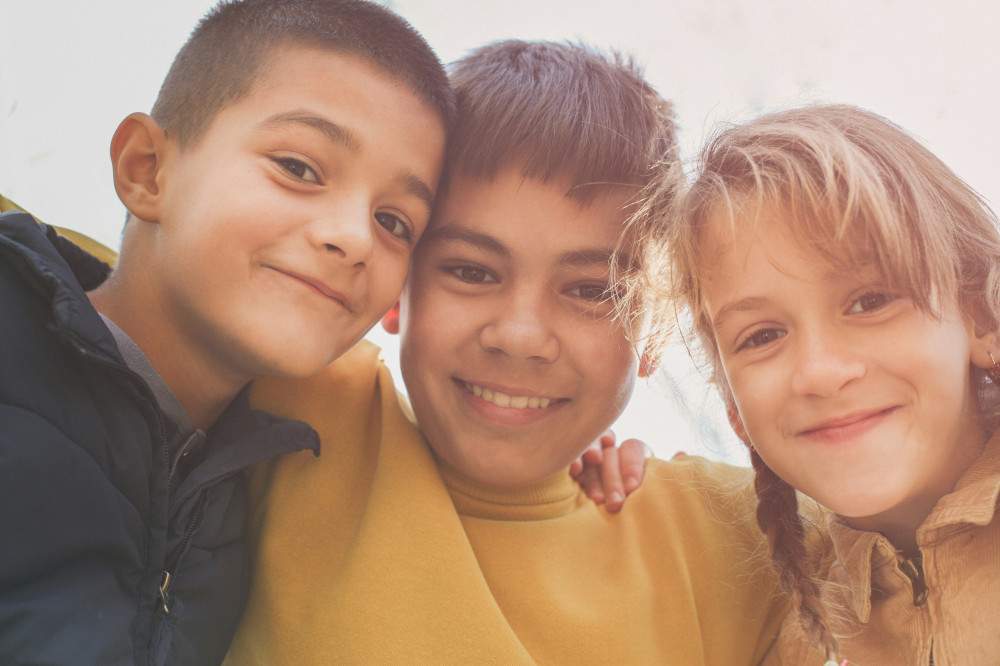
The teenage years: An adult-like immune system
During adolescence, the immune system functions much like an adult’s. Teens have built up a large library of antibodies and memory cells that can quickly respond to familiar infections. However, hormonal changes, busy schedules, and irregular habits can throw things off balance.
Many teens don’t get enough sleep, skip meals, or experience stress from school and social pressures—all of which can make them more vulnerable to illness. Parents can help by encouraging healthy routines, balanced nutrition, and downtime to recharge. Even though teens may seem independent, their bodies still need care and consistency.
When to be concerned
Frequent minor infections are a normal part of growing up, but there are times when it’s worth checking in with your child’s doctor. Contact your pediatrician if your child:
- Has repeated high fevers or severe infections without clear cause
- Struggles to recover between illnesses
- Needs antibiotics frequently
- Shows poor growth, weight loss, or loss of appetite
In most cases, frequent colds and sniffles are simply part of the immune system’s learning curve—but it’s always okay to ask for medical advice if you’re unsure.
Building a strong defense takes time
Your child’s immune system is a lifelong work in progress. The many colds and bugs of early childhood aren’t signs of weakness—they’re how the body learns to protect itself. With loving care, healthy habits, and patience, you’re helping your child build a resilient immune system that will serve them well for years to come.
Læs også: