Protect Children’s Hearing: Teach Them Healthy Habits with Sound and Breaks


Protect Children’s Hearing: Teach Them Healthy Habits with Sound and Breaks
Children’s ears are more sensitive than adults’, and in a world filled with music, gaming, videos, and social media, they are surrounded by sound almost constantly. Many parents don’t realize that hearing damage can develop gradually—and once it happens, it’s often permanent. That’s why it’s important to teach kids healthy listening habits and the value of quiet time from an early age.
Why Children’s Hearing Is Especially Vulnerable
A child’s auditory system is still developing, and their ears can’t handle the same sound levels as adults’. When the volume is too high, the tiny hair cells in the inner ear can be damaged. The effects might not be noticeable right away, but over time, this can lead to hearing loss or persistent ringing in the ears, known as tinnitus.
According to hearing specialists, even short exposure to very loud sounds—like concerts, fireworks, or high-volume headphones—can cause lasting harm. It’s not just about how loud the sound is, but also how long children are exposed to it.
Everyday Sound Exposure – More Than Just Music
It’s not only music that affects hearing. Tablets, video games, streaming videos, and social media apps often produce sound at high levels, and many kids use headphones for hours each day. Add to that the noise from classrooms, sports events, and traffic, and the total sound exposure can easily exceed what’s healthy for young ears.
As a parent, you can help by paying attention to how much sound your child experiences throughout the day. The goal isn’t to eliminate sound, but to create balance.
Healthy Listening Habits – Practical Tips
Teaching children to care for their hearing doesn’t have to be complicated. Small, consistent steps can make a big difference:
- Keep the volume down. A good rule of thumb: if you can hear the sound from your child’s headphones, it’s too loud. They should still be able to hold a conversation without shouting over the music.
- Choose kid-friendly headphones. Look for models with built-in volume limiters that cap the sound at safe levels (around 85 decibels or lower).
- Encourage listening breaks. Ears need rest. A 5–10 minute break for every hour of listening helps the hearing system recover.
- Talk about sound awareness. Explain why protecting hearing matters—just like wearing sunscreen or seat belts.
- Be a role model. Children learn by example. If you lower the volume and take breaks yourself, they’ll see that as normal behavior.
Create Quiet Moments in Daily Life
In a world full of noise, silence can feel unusual—but it’s essential. Quiet moments not only protect hearing but also support focus, calm, and emotional well-being. Try setting aside sound-free times during meals, homework, or before bedtime.
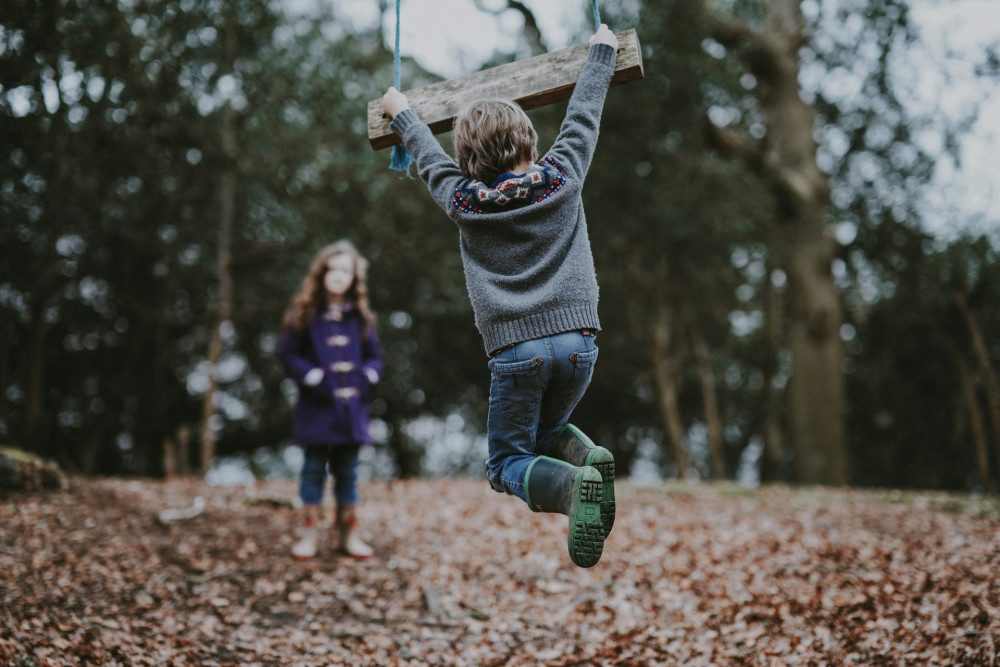
Spending time outdoors can also help. Nature offers a different kind of soundscape—gentle, varied, and restorative. Walks in the park, hikes, or simply sitting outside can remind children what natural quiet feels like.
Læs også:




When to Take Action
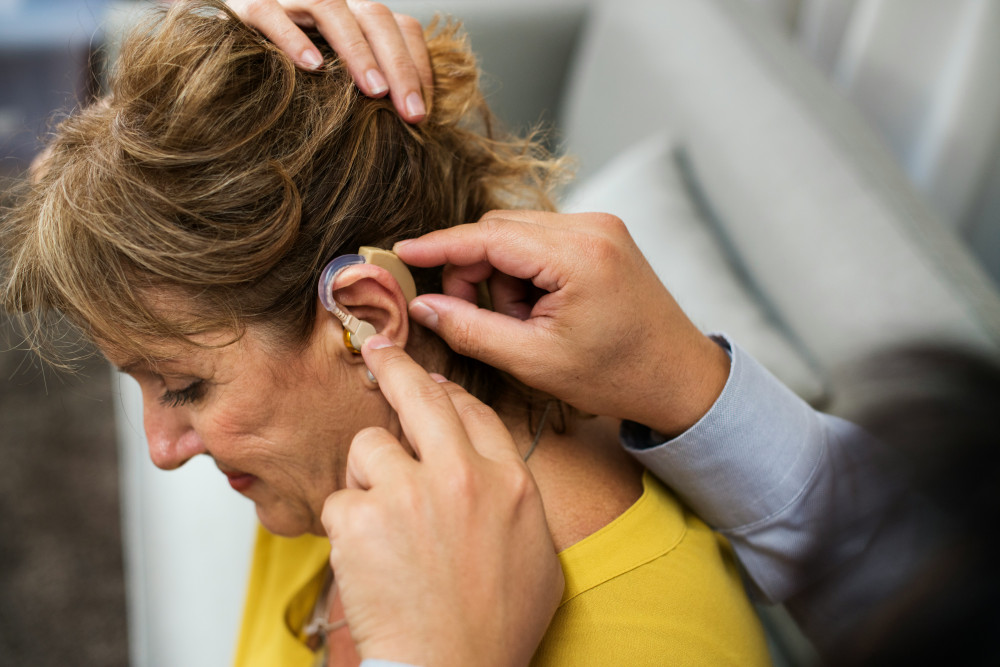
If your child often complains about ringing, buzzing, or muffled hearing, or if they seem to have trouble understanding speech, take it seriously. Schedule a hearing test with your pediatrician or an audiologist. The earlier a problem is detected, the better the chances of preventing further damage.
An Investment in the Future
Protecting children’s hearing isn’t just about avoiding damage today—it’s about building lifelong habits. Sound is a natural and joyful part of life, but like nutrition and exercise, it requires awareness and balance.
By teaching kids to turn the volume down, take listening breaks, and appreciate quiet moments, you’re giving them a valuable tool for a healthy relationship with sound—for life.
Læs også: