Yoga as Meditation: When Breath and Movement Unite

Yoga as Meditation: When Breath and Movement Unite
In the United States, yoga is often seen as a way to build strength, flexibility, and balance. Yet for many practitioners, it is equally a form of moving meditation—a practice where breath and movement merge to quiet the mind. In a culture that prizes productivity and speed, yoga offers a rare opportunity to slow down, reconnect, and find calm amid the noise.
From Physical Practice to Inner Stillness
While yoga classes in the U.S. often emphasize the physical postures, or asanas, the tradition itself is far older and deeper. Rooted in ancient India, yoga was designed as a holistic path to unite body, mind, and spirit. The poses are just one part of a broader system that includes breathwork, meditation, and ethical living.
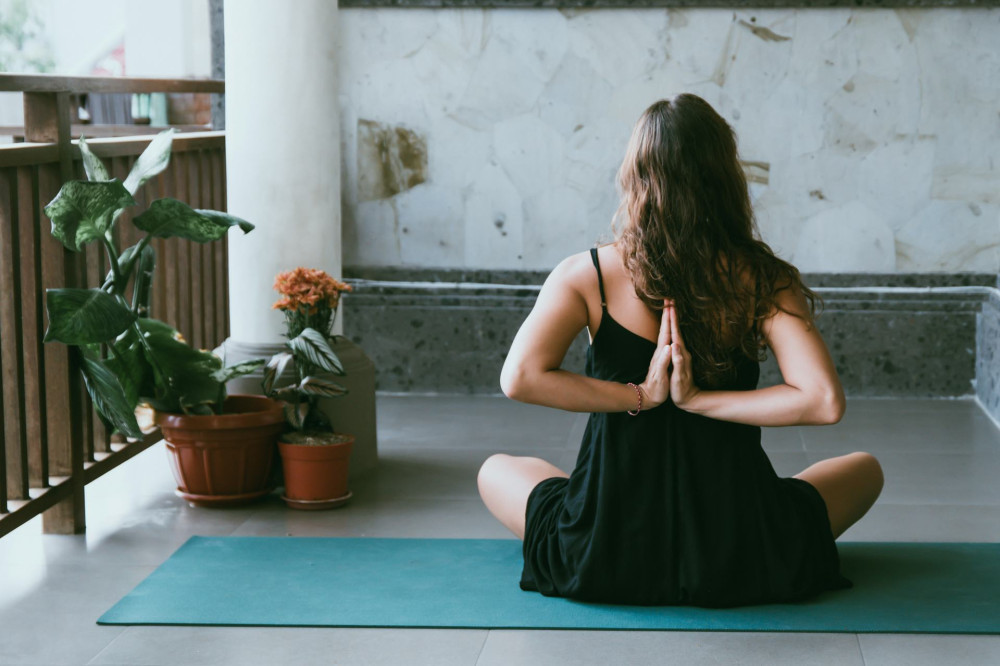
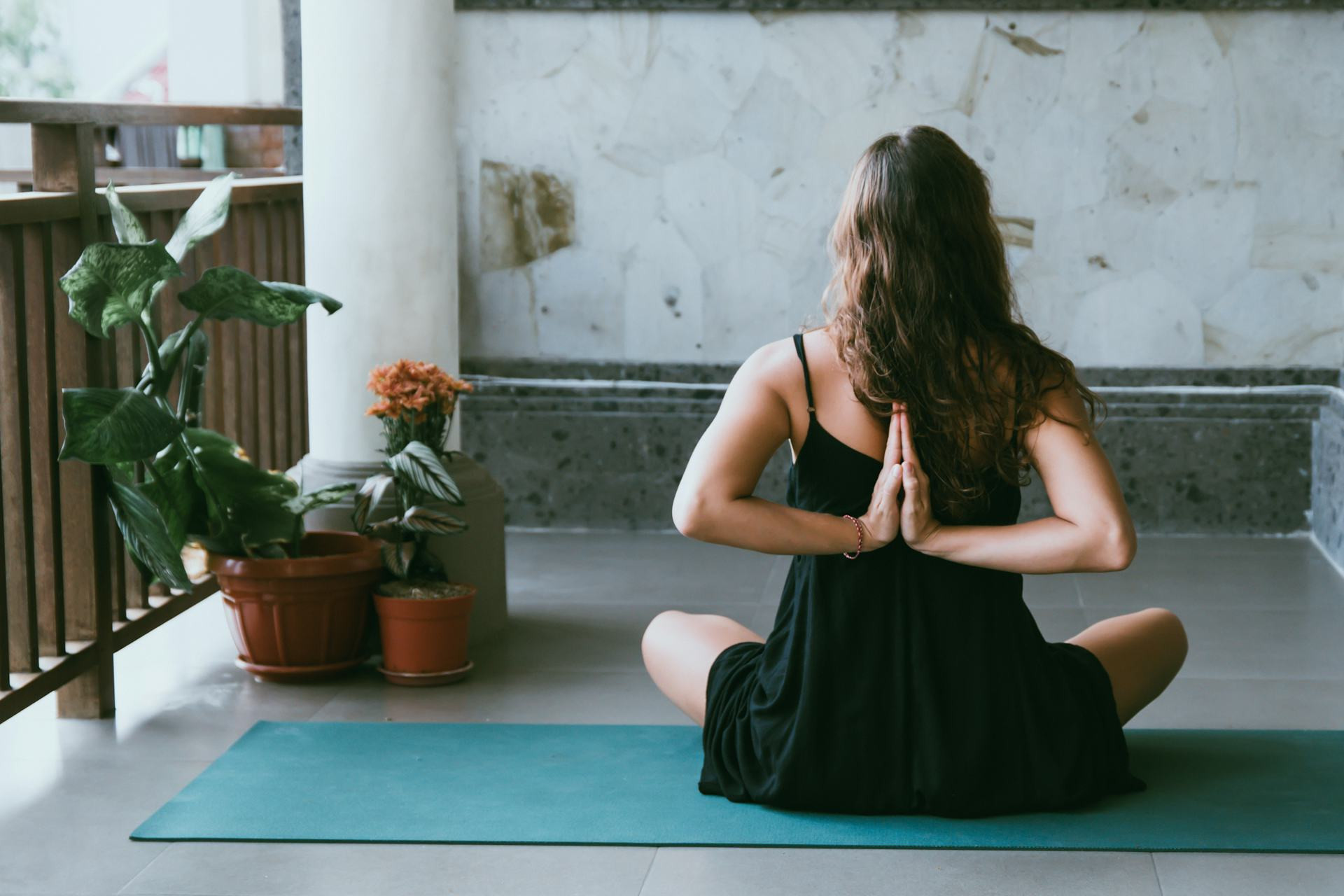
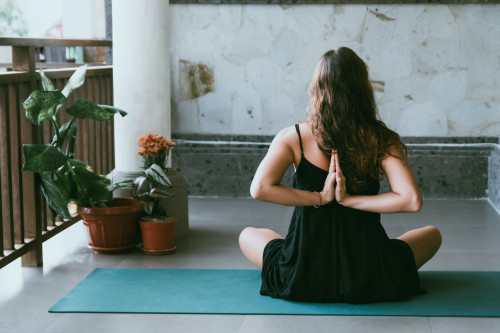
When you move through postures with awareness of your breath, yoga becomes more than exercise—it becomes meditation in motion. Each inhale and exhale anchors your attention, helping you release distractions and settle into the present moment.
The Breath as a Bridge Between Body and Mind
Breath is the key to yoga’s meditative quality. In yogic philosophy, it is called prana—the vital life force that connects the physical and the mental. When you breathe slowly and consciously, you send a message to your nervous system that you are safe. Heart rate slows, muscles soften, and the mind grows clearer.
Even a simple focus on breathing can transform a yoga session into a deeply centering experience. Try letting your movement follow your breath: lift your arms as you inhale, lower them as you exhale. This rhythm creates a natural flow that soothes both body and mind.
Movement with Intention
In yoga, movement is not about performance—it’s about awareness. Each posture invites you to explore your body’s limits with curiosity and respect. When you move slowly and mindfully, even simple poses like Mountain or Child’s Pose become opportunities for reflection.
This blend of physical engagement and mental stillness is what makes yoga unique. Many forms of exercise energize the body but leave the mind restless. Yoga, by contrast, cultivates balance—between effort and ease, energy and rest.
Everyday Yoga: Small Moments of Meditation
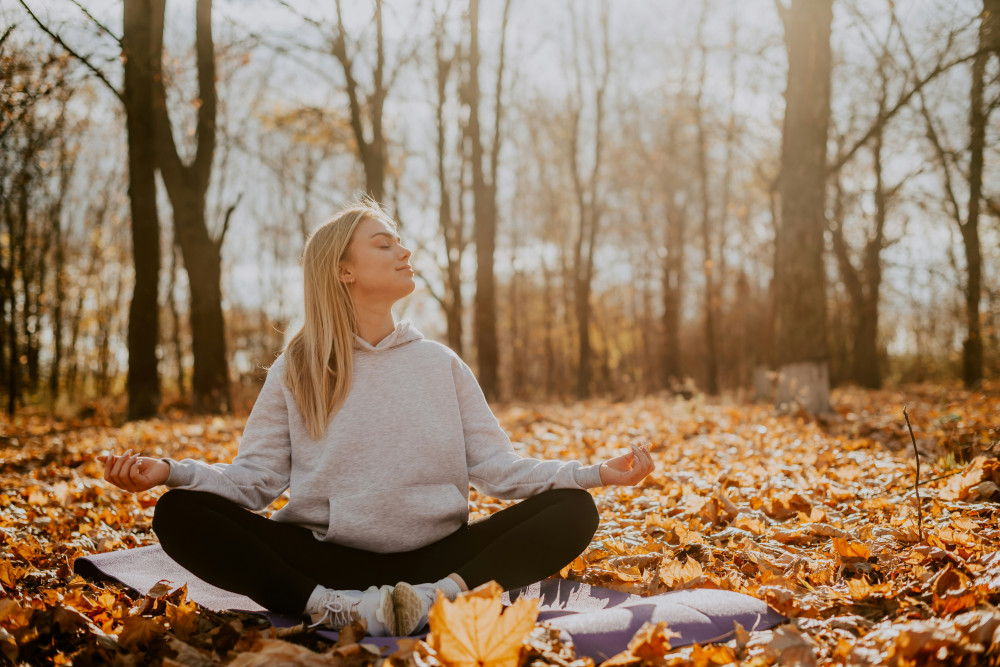
You don’t need a full hour on the mat to experience yoga’s meditative benefits. A few minutes of conscious breathing during your day can make a noticeable difference. Sit quietly, close your eyes, and observe your breath without trying to change it. Feel your body settle and your thoughts begin to clear.
Over time, this awareness can extend beyond your practice. You may find yourself moving, speaking, and responding with greater calm and presence. Yoga becomes not just something you do, but a way of being.
Læs også:


A Practice That Grows with You
Yoga is not a fixed routine but a lifelong journey that evolves as you do. Some days your body feels strong and open; other days it feels heavy or tired. The goal is not perfection but presence—to meet yourself as you are, with patience and kindness.
When yoga is practiced as meditation, the focus shifts from how the poses look to how they feel. In that mindful attention lies yoga’s deeper power: a quiet union of body, breath, and mind.
Læs også: