Exercise Habits That Last – How to Build an Active Lifestyle

Exercise Habits That Last – How to Build an Active Lifestyle
Getting started with exercise is one thing – sticking with it is another. Many people begin with enthusiasm, only to lose momentum when life gets busy. The key to a lasting active lifestyle isn’t about quick fixes or extreme workouts, but about building habits that fit naturally into your daily routine. Here’s how you can create exercise habits that truly last.
Start Small and Build Gradually
One of the biggest mistakes people make is starting too hard, too fast. Ambition is great, but your body and mind need time to adjust to new routines. Instead of committing to five workouts a week right away, start with one or two consistent sessions. The goal is consistency, not intensity.
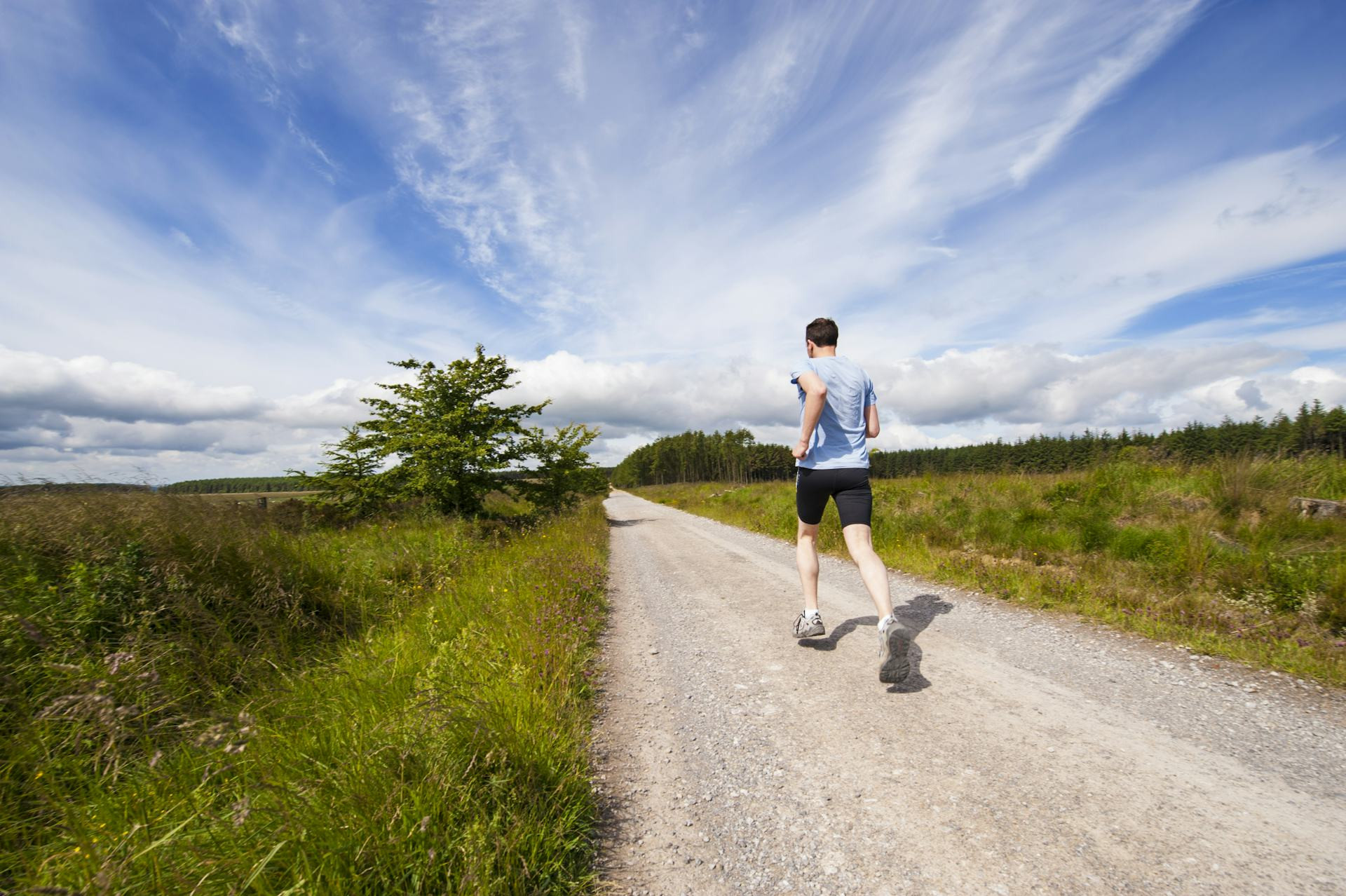
Small wins build motivation. A short walk during your lunch break, a bike ride around the neighborhood, or a 15-minute home workout can be enough to get the momentum going. When movement becomes a natural part of your day, it stops feeling like a chore and starts feeling like a habit.
Choose Activities You Actually Enjoy
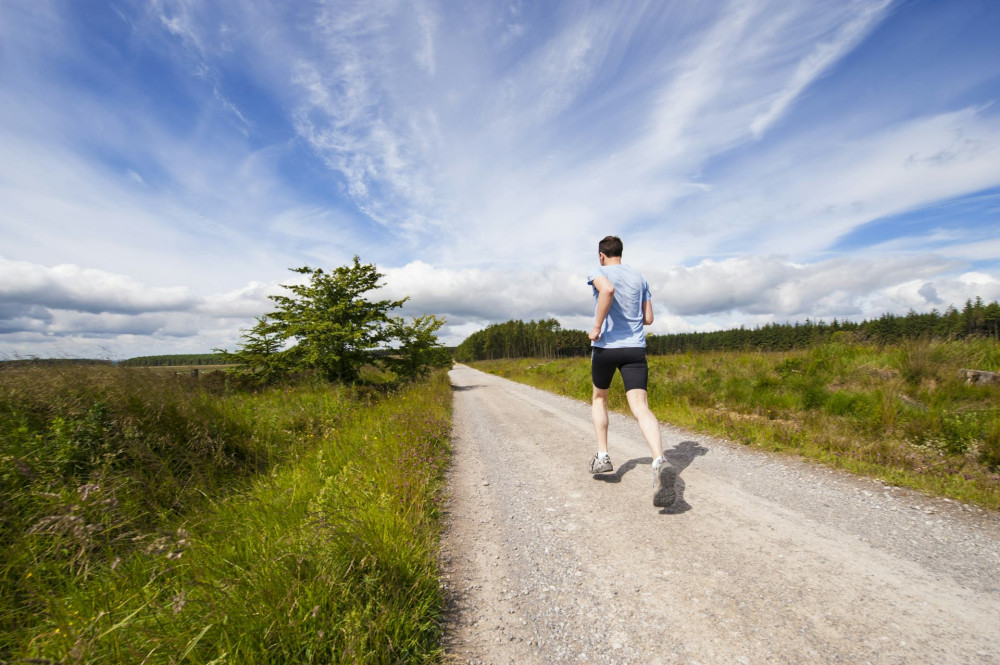
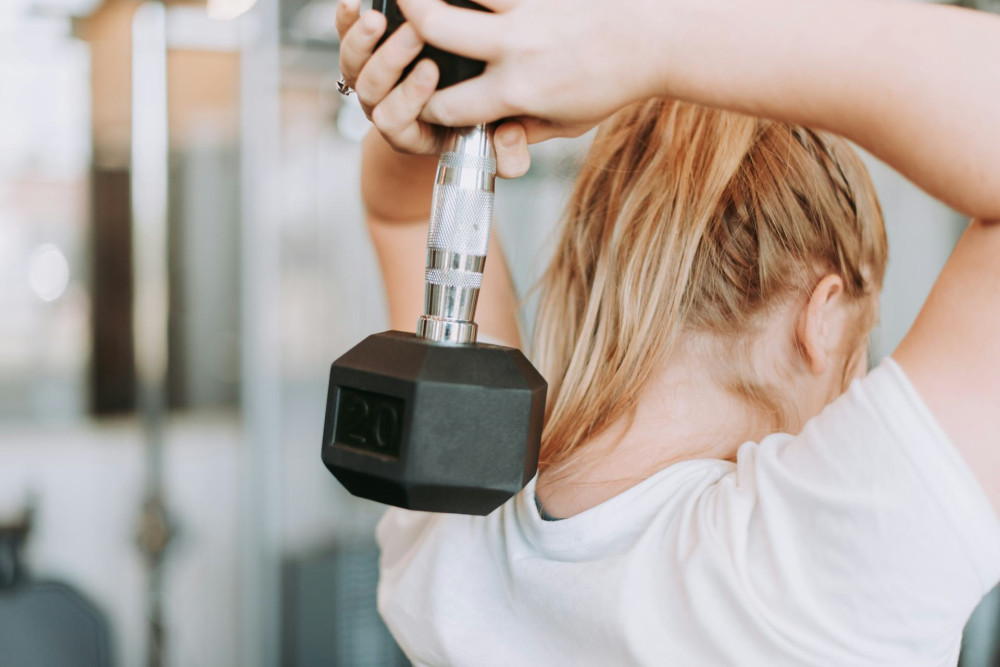
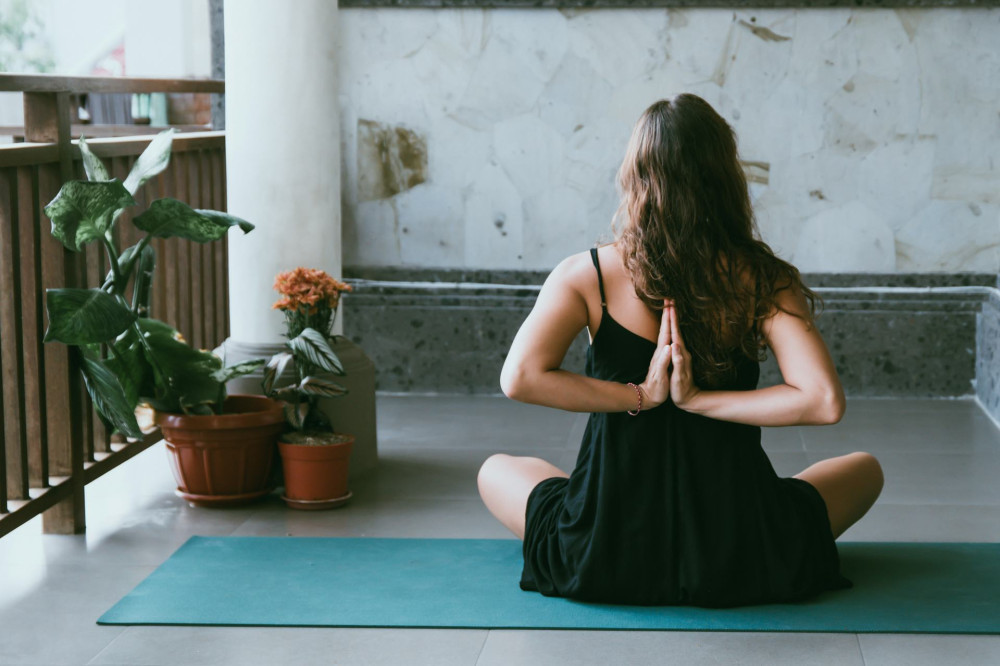
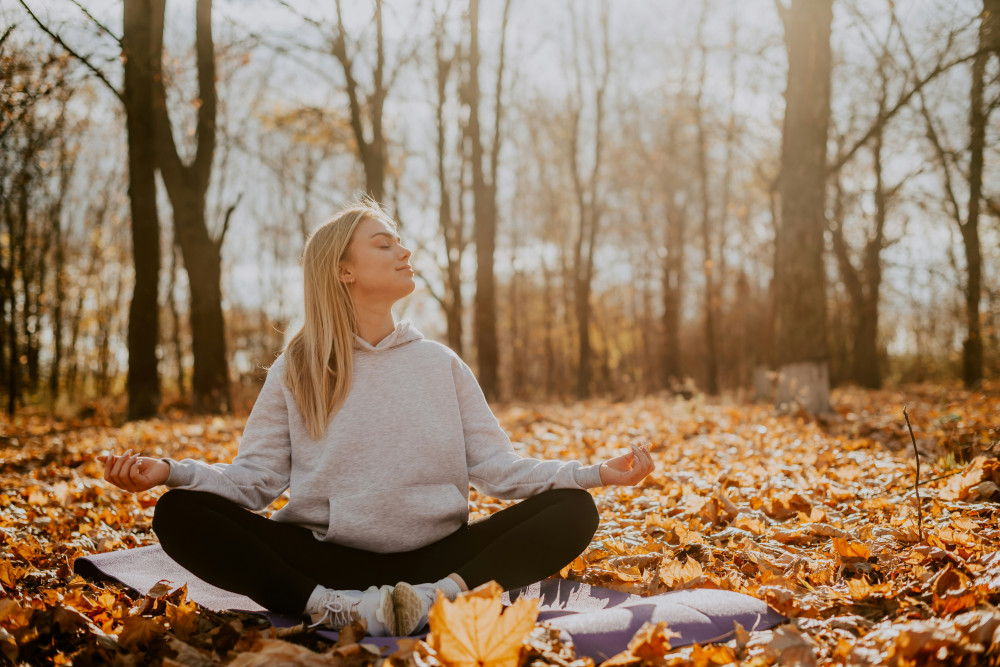
It sounds simple, but it’s crucial: you’ll only stick with exercise if you enjoy what you’re doing. If you hate running, don’t force yourself to run. There are countless ways to move your body – dancing, swimming, yoga, strength training, hiking, group fitness classes, or recreational sports. Try different things and notice what makes you feel good.
For some, it’s about community and social connection; for others, it’s about peace and focus. When you find an activity that fits your personality, it’s much easier to stay committed – even on days when motivation is low.
Make It Easy to Follow Through
The fewer obstacles you face, the more likely you are to follow through. Lay out your workout clothes the night before, schedule exercise times in your calendar, and choose activities that fit your lifestyle. If getting to the gym takes an hour of commuting, chances are you’ll skip it more often.
Think about how you can combine movement with your daily routine. Can you walk or bike to work, take the stairs instead of the elevator, or go for a walk while catching up on a phone call? Small changes add up over time.
Set Realistic Goals – and Celebrate Progress
Goals give direction, but they need to be realistic. Instead of focusing on weight loss or performance, set habit-based goals: “I’ll move three times a week” or “I’ll walk 8,000 steps a day.” These goals are easier to achieve and help you stay motivated.
Don’t forget to celebrate your progress – even the small victories. Maybe you’ve kept up your routine for a month, gone a little farther than last time, or simply feel more energetic. Recognizing your own progress is a powerful motivator.
Læs også:

Listen to Your Body and Allow Rest
An active lifestyle isn’t about pushing yourself to the limit – it’s about balance. Fatigue, soreness, and lack of energy are signals worth paying attention to. Give your body time to recover, and remember that rest is part of the process.
If you get injured or lose motivation, think in terms of adjustments rather than giving up. Maybe you need to switch activities, lower the intensity, or find a new way to move. The key is to keep the rhythm going – not to be perfect.
Build a Supportive Environment
It’s easier to stay active when you have support. Tell your family and friends about your goals, or find a workout buddy who can help keep you accountable. Many people find that exercising with others makes it more fun and more consistent.
Technology can also be a great ally – fitness apps that track your progress, or online communities where you can share experiences and get inspired. The goal is to create an environment that helps you stay on track.
Think Long-Term – Make It Part of Who You Are
When exercise becomes part of your identity, it takes less willpower to maintain. This doesn’t happen overnight, but gradually, as you experience how movement improves your mood, energy, and overall well-being.
An active lifestyle isn’t about training for a specific goal – it’s about moving because it feels good. When you reach that point, you’ve built exercise habits that last – not as a temporary project, but as a way of life.
Læs også: