When Your Training Works Against You: How to Handle Disappointment and Setbacks


When Your Training Works Against You: How to Handle Disappointment and Setbacks
Anyone who trains regularly knows the feeling: you’re doing everything right—showing up, eating well, getting enough sleep—but the results just aren’t there. Maybe your body feels heavy, your motivation dips, or you get injured just as you were hitting your stride. Training isn’t only about physical strength; it’s also about mental resilience. Here’s how to handle disappointment and setbacks when your training doesn’t go as planned.
When Your Body Pushes Back
It’s normal to go through periods when your body doesn’t respond the way you want it to. Maybe you’re dealing with fatigue, illness, or an overuse injury. Instead of pushing harder, it can be wise to listen to what your body is telling you.
Recovery is a crucial part of progress. Ignoring pain, exhaustion, or lack of energy can make things worse. Take a break, adjust your intensity, and remember that rest isn’t a sign of weakness—it’s part of the process.
The Frustration of Slow Progress
One of the toughest mental challenges in training is when progress stalls. You might have set a goal—to run faster, lift heavier, or lose weight—but the improvements come slower than expected.
It’s important to remember that progress is rarely linear. The body adapts in waves, and sometimes you plateau before you move forward again. Use this time to evaluate: Are you sleeping enough? Eating enough? Is your training varied? Small adjustments can make a big difference.
And most importantly, don’t measure success only by numbers. Feeling stronger, having more energy, or simply enjoying movement are all signs of progress.
When Motivation Fades
Even the most dedicated athletes lose motivation sometimes. Maybe training starts to feel like a chore, or you find yourself comparing your progress to others who seem to be doing better. When that happens, it can help to shift your perspective.
Try to reconnect with the joy of movement rather than focusing solely on performance. Go for a walk outdoors, try a new workout style, or train with friends. Variety and community can reignite your enthusiasm.
Set realistic goals, too. Instead of saying, “I have to work out five times a week,” try, “I’ll move my body three times this week—and enjoy it.” Small wins build momentum.
Injuries and Setbacks – Starting Over
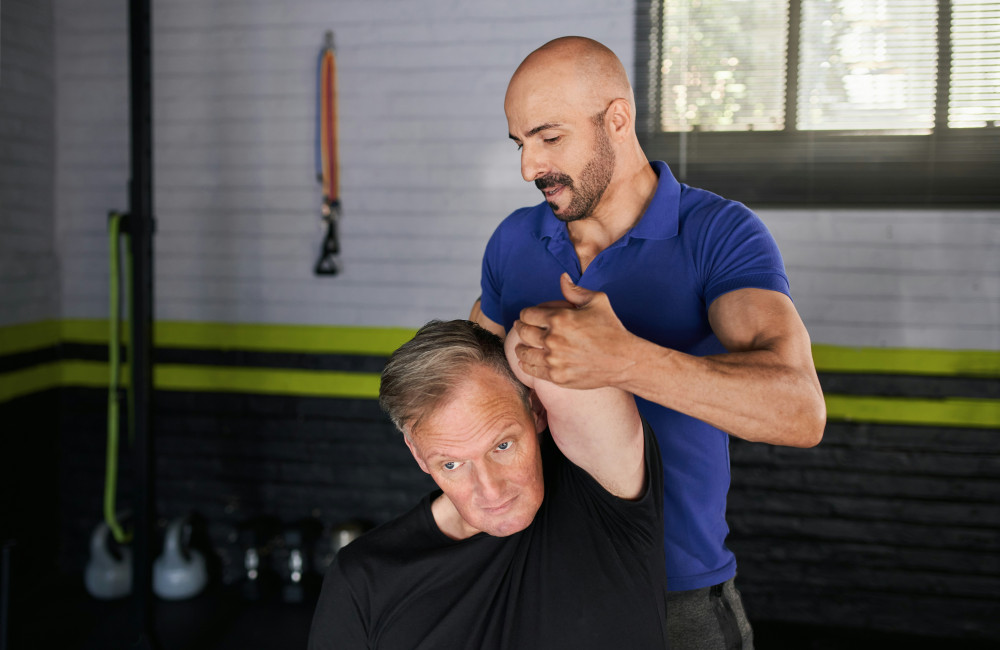
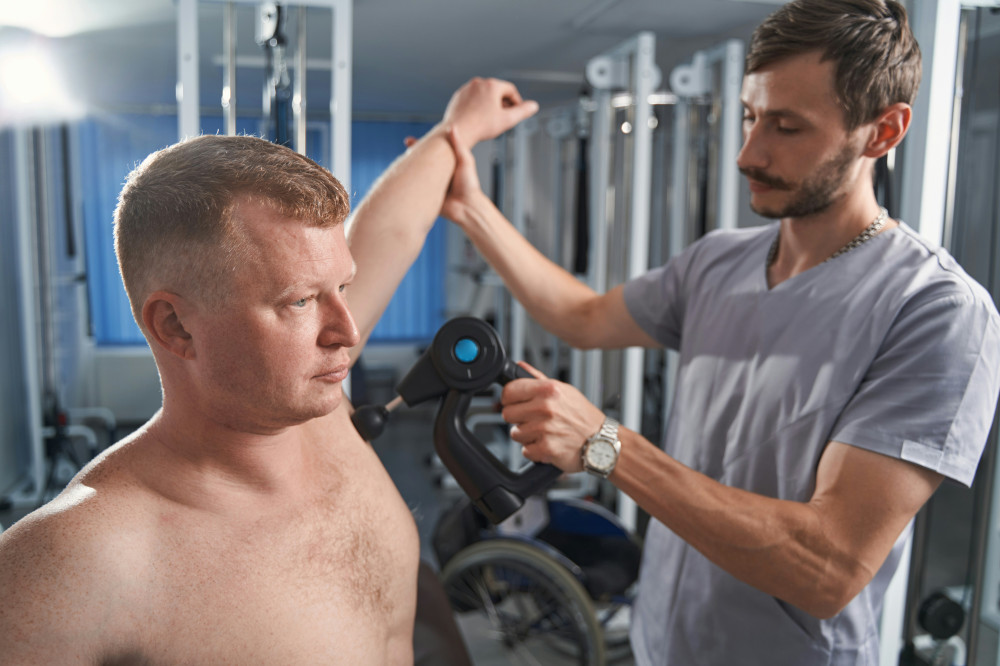
An injury can feel like a major setback, especially when you’ve been making progress. But it’s also an opportunity to learn more about your body. Use the downtime to strengthen areas you usually overlook—mobility, stability, or technique.
If you’re unsure how to return safely, seek professional guidance. A physical therapist or certified trainer can help you create a plan that fits your situation. And remember: starting over doesn’t mean you’ve lost everything. You still have your experience, discipline, and determination.
The Mental Side – Accepting Setbacks
Training is a journey with highs and lows. Accepting that setbacks are part of the process can make you more resilient—not just physically, but mentally. Instead of seeing disappointment as failure, view it as feedback.
Ask yourself: What can I learn from this period? Maybe you’ll discover how to listen to your body better, plan more realistically, or find satisfaction in the process rather than the outcome.
Handling setbacks isn’t about avoiding them—it’s about learning to rise again, with patience and confidence that your effort will pay off in the long run.
Læs også:



Finding Balance Between Ambition and Self-Care
Goals are important, but they shouldn’t overshadow the joy of movement. Training should give you energy, not drain it. The balance between pushing yourself and taking care of yourself is key to staying consistent over time.
Allow yourself to have off days. They don’t mean you’ve failed—they mean you’re human. And it’s that ability to keep going, even when things get tough, that ultimately makes you stronger.
Læs også: