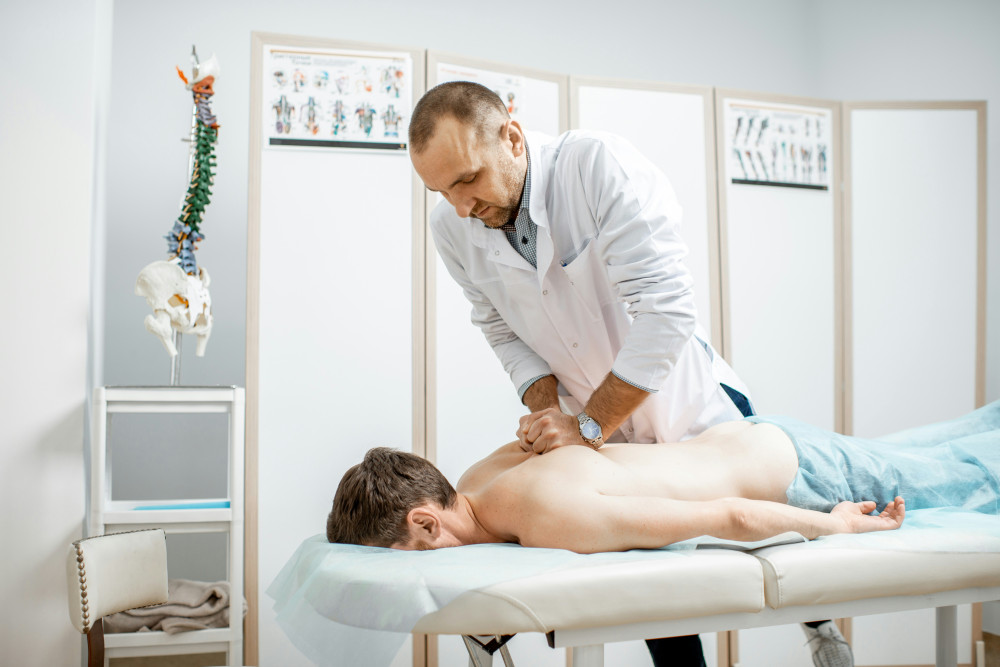
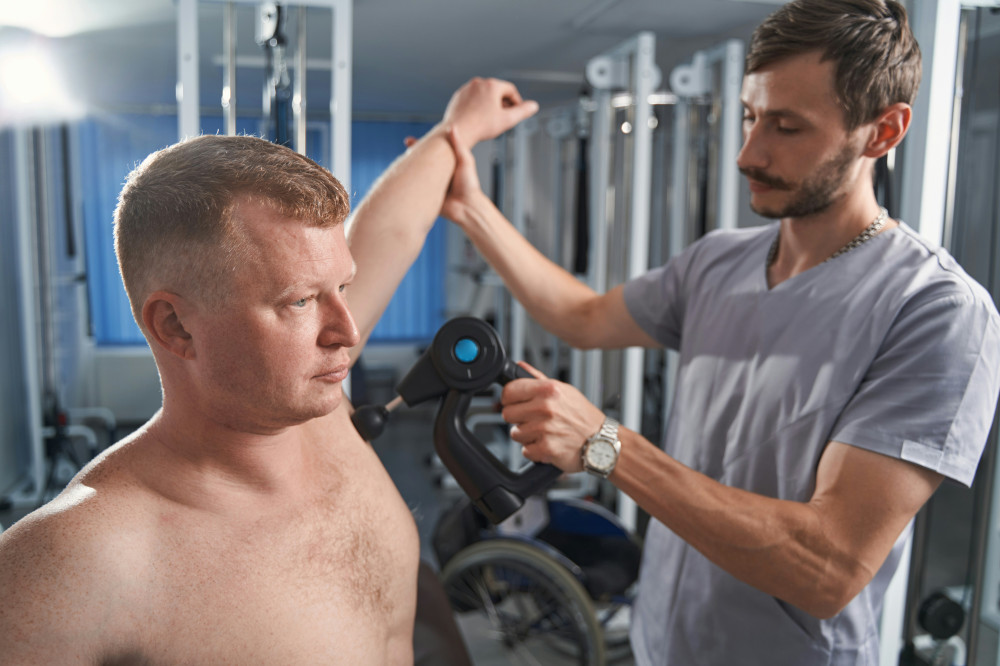
Strong Body Despite a Desk Job – Small Habits with Big Impact

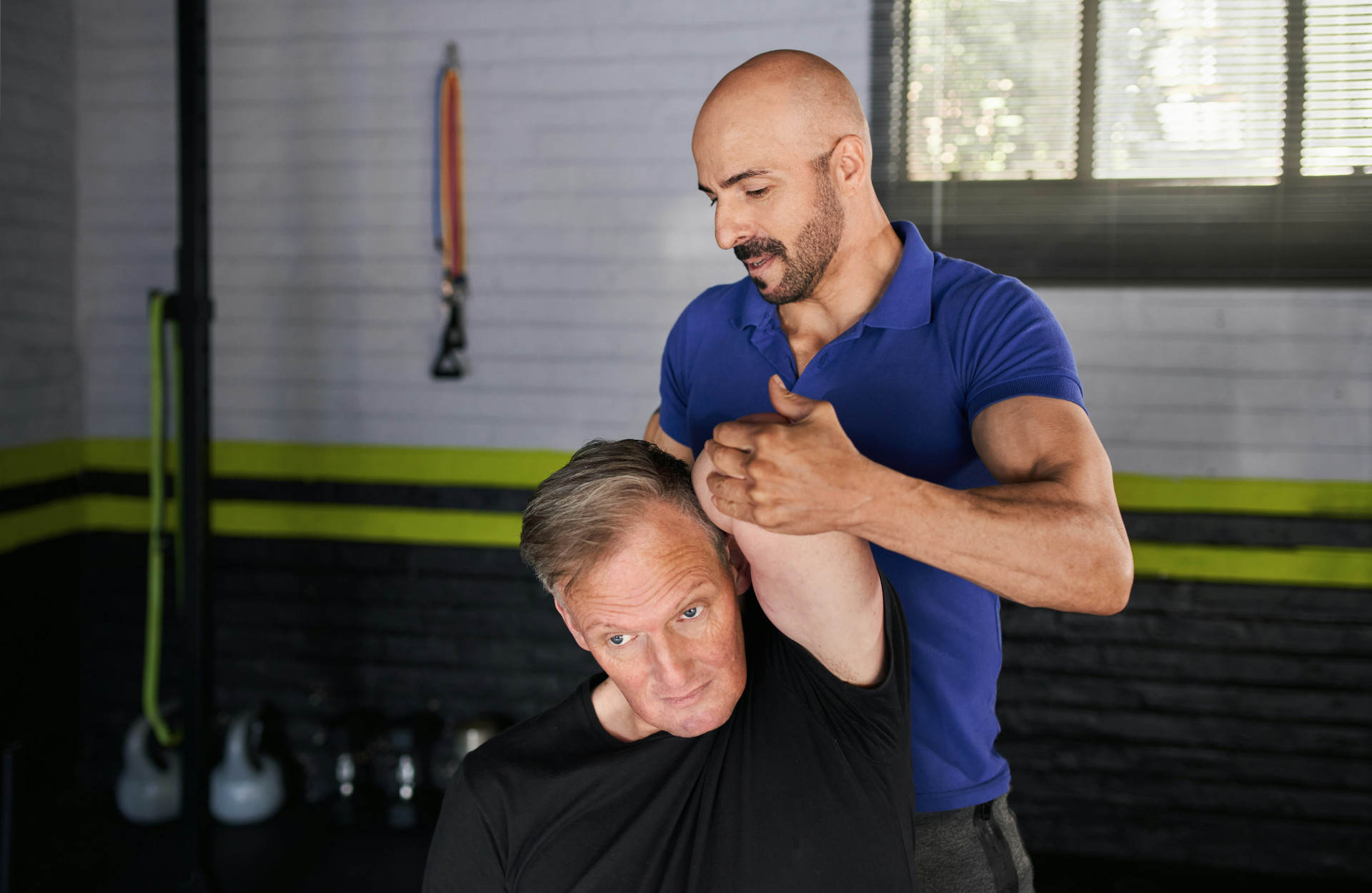
Strong Body Despite a Desk Job – Small Habits with Big Impact
Many Americans spend most of their workday in front of a computer. Hours of sitting can lead to tight shoulders, back pain, and a general feeling of stiffness. But even small changes in your daily routine can make a big difference for your energy, comfort, and long-term health. Here’s how you can keep your body strong and active—without spending hours at the gym.
The Body Is Made to Move
When we sit for long periods, blood circulation slows, muscles become less active, and joints get stiff. Over time, this can cause discomfort, fatigue, and even reduced focus. The good news? You don’t need a major lifestyle overhaul to counteract these effects. Research shows that short movement breaks throughout the day can help offset many of the downsides of sedentary work.
It’s not about intense workouts—it’s about keeping your body in motion. Small stretches, posture changes, and brief walks all add up.
Add Variety to Your Workday
One of the best ways to prevent tension is to vary your working position. If you have a sit-stand desk, use it actively—switch between sitting and standing several times an hour. Standing engages more muscles and slightly boosts your energy expenditure.
Other small habits that make a difference:
- Walk while on calls. It’s an easy way to move and get a mental reset.
- Try standing or walking meetings. They often feel more dynamic and focused.
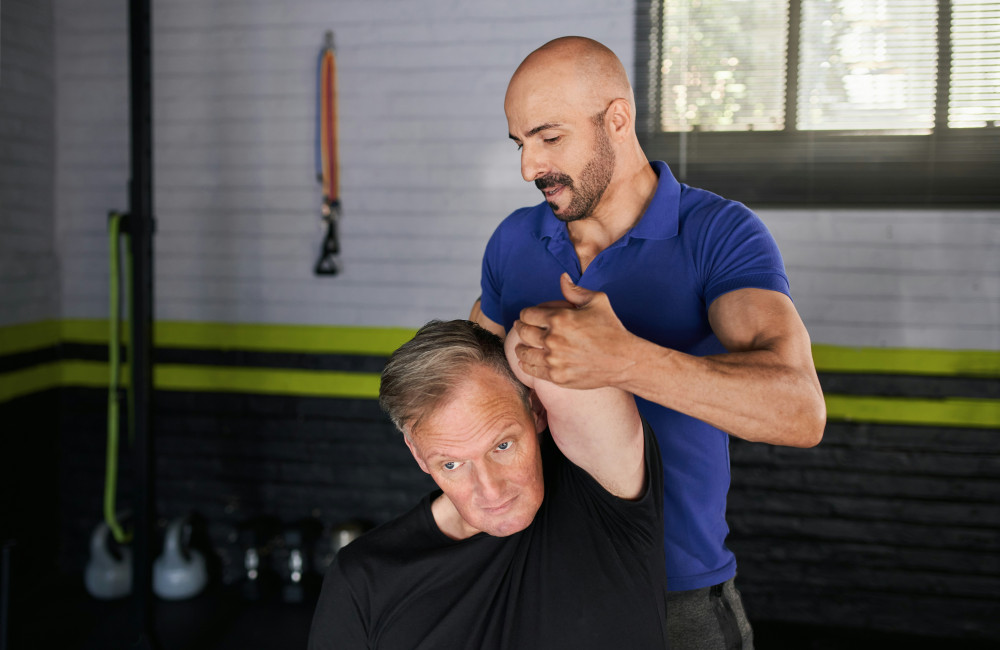
- Take microbreaks. Stand up, stretch your arms, roll your shoulders, or walk a few steps. Even one or two minutes can help.
Strengthen Your Body with Simple Exercises
You don’t need a gym membership to build strength. Many effective exercises can be done right at your desk or at home in just a few minutes.
- Shoulder shrugs: Lift your shoulders toward your ears, hold for a few seconds, then lower slowly. Repeat 10 times.
- Back stretch: Place your hands on your lower back and gently lean backward to open your chest and stretch the front of your body.
- Seated leg lifts: While sitting, lift one leg at a time to engage your thigh muscles.
- Plank: A classic move that strengthens your core and back. Start with 20 seconds and gradually increase.
These small exercises require no equipment—just a bit of awareness and consistency.
Turn Your Commute into Movement
If possible, build activity into your commute. Walk or bike part of the way, get off the bus or subway one stop early, or take the stairs instead of the elevator. These small choices can add meaningful movement to your day.
Even 10 extra minutes of activity in the morning and afternoon can boost your mood and energy levels.
Læs også:


Don’t Forget Mental Breaks
Movement isn’t just good for your body—it benefits your mind too. Standing up and moving gives your brain a short break, helping you refocus and reduce stress. You’ll likely return to your tasks feeling more alert and productive.
Try setting a reminder on your computer or phone to take a short break every hour. It’s a simple way to interrupt long stretches of sitting.
Small Steps, Big Results
The key is to start small. You don’t have to change your entire routine overnight. Begin with one habit—like standing while reading emails or taking a short walk after lunch. Once it becomes part of your day, add another.
Over time, you’ll notice that your body feels stronger, your posture improves, and your energy lasts longer—even after the workday ends.
Læs også: