Safe Storage of Medicine: How to Prevent Children from Accidental Access

Safe Storage of Medicine: How to Prevent Children from Accidental Access
Young children are naturally curious—and that curiosity can lead to dangerous situations if medicine isn’t stored properly. Every year in the United States, thousands of children end up in emergency rooms after accidentally ingesting medication. Many of these incidents involve common household medicines such as pain relievers, vitamins, or cough syrup that children mistake for candy. The good news is that most of these accidents can be prevented with a few simple precautions. Here’s how to keep your home safe and your medicine out of children’s reach.
Why Safe Storage Matters
Even small amounts of medicine can be harmful to children. Their smaller bodies process substances differently, and a dose that’s safe for an adult can be toxic for a child. This applies to prescription drugs, over-the-counter medications, and even herbal or natural supplements.
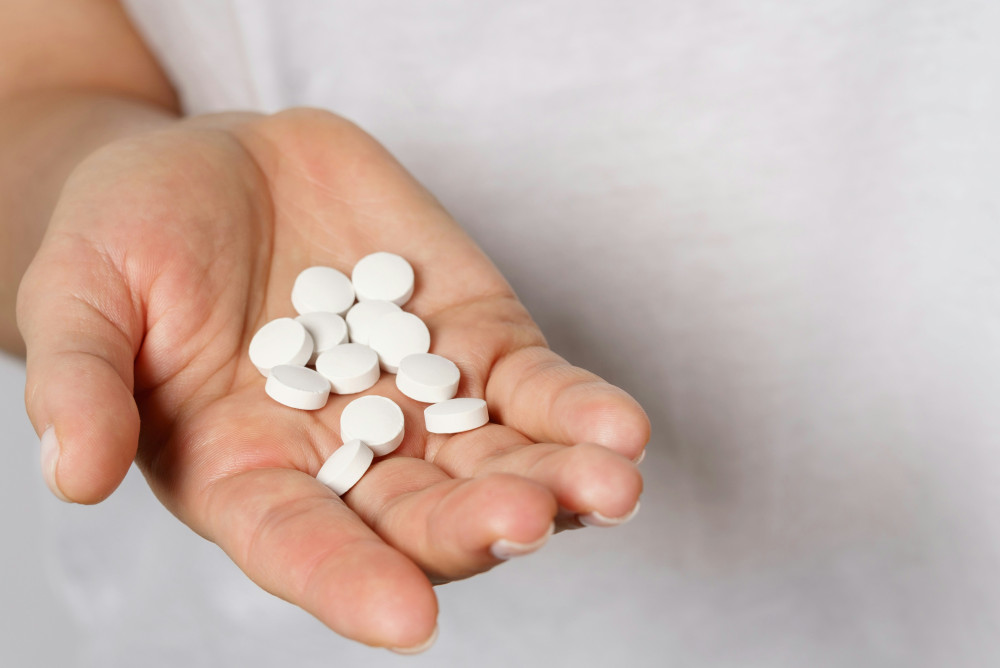
Many medicines are colorful or flavored, making them especially tempting to young children. That’s why it’s essential never to leave medicine out in the open—even for a moment. A few seconds of inattention can be enough for a child to grab a bottle or a pill.
How to Store Medicine Safely
You can greatly reduce the risk of accidental poisoning by following these simple but effective steps:
- Keep medicine out of reach and sight – Store all medications in a locked cabinet, lockbox, or a high shelf that children cannot access.
- Keep medicine in its original container – The packaging includes important information such as the name, dosage, and expiration date, and the child-resistant cap only works when used correctly.
- Always close the cap tightly – Make sure the safety cap is fully engaged after every use.
- Avoid taking medicine in front of children – Kids often imitate adults and may think pills are something fun to eat.
- Don’t store medicine in purses, backpacks, or nightstands – Children are quick to explore, and these are common places where they might find medication.
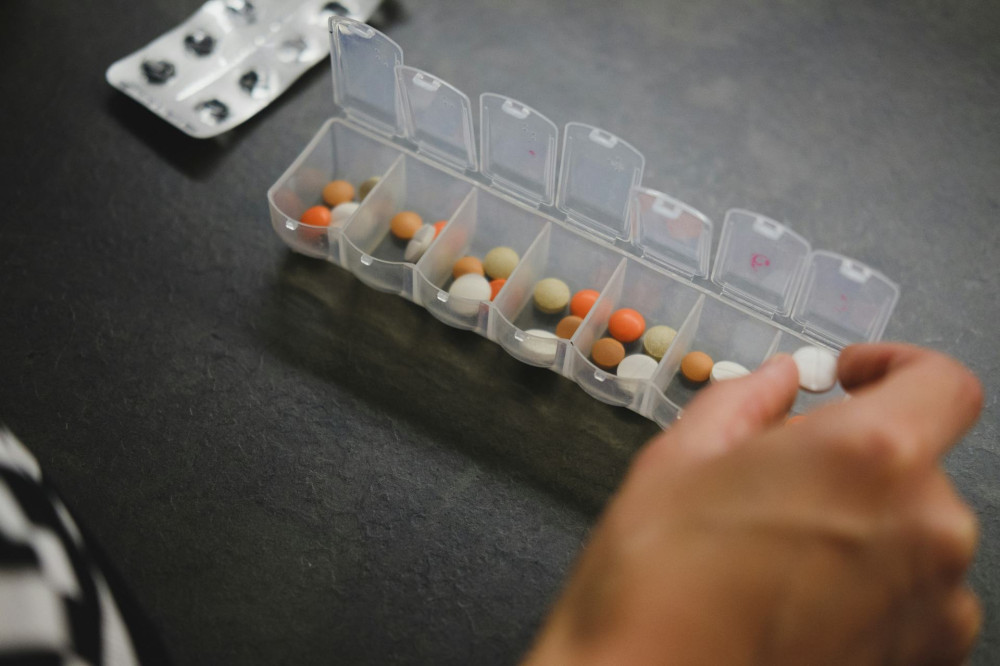
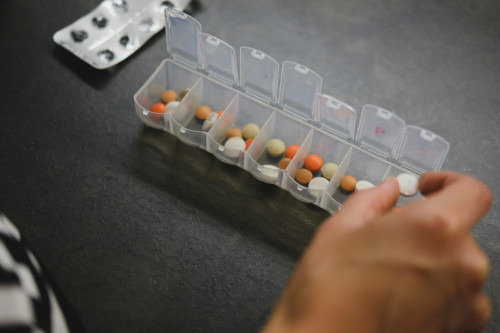
If you have visitors, remind them to keep their medicine safely stored as well. Grandparents’ pill organizers or travel bottles can be especially risky if left within reach.
What to Do with Expired or Unused Medicine
Old or unused medicine should never be thrown in the trash or flushed down the toilet, as this can pose risks to both children and the environment. Instead:
- Use a drug take-back program – Many pharmacies, hospitals, and law enforcement agencies in the U.S. offer safe disposal options. You can find local drop-off sites through the DEA’s website.
- If no take-back option is available, mix the medicine with an unappealing substance (like used coffee grounds or cat litter), seal it in a plastic bag, and throw it in the household trash.
- Check your medicine cabinet regularly – Dispose of anything that’s expired or no longer needed.
Keeping your medicine storage organized helps prevent confusion and reduces the chance of accidental ingestion.
If an Accident Happens
Even with the best precautions, accidents can occur. If you think a child has swallowed medicine, act quickly:
- Call Poison Control immediately at 1-800-222-1222 – This free, confidential service is available 24/7 across the U.S. Experts can tell you exactly what to do based on the type and amount of medicine involved.
- Keep the medicine container nearby – The label helps medical professionals identify the substance and provide accurate advice.
- Do not wait for symptoms to appear – Call right away, even if the child seems fine.
Quick action can make a critical difference in preventing serious harm.
Læs også:


Make Safe Storage a Family Habit
Safe medicine storage isn’t just about preventing accidents—it’s about creating a secure home environment. When you establish clear routines for where and how medicine is stored, it becomes second nature. Teach older children that medicine is not candy and should only be taken when given by an adult. This helps build lifelong habits of safety and responsibility.
A Small Step with a Big Impact
It doesn’t take much to make your home safer. A locked cabinet, a properly closed cap, and a moment of awareness can prevent a life-threatening emergency. By taking these simple steps, you protect your children and bring peace of mind to your household—one small action that can make a very big difference.
Læs også: