Good Medication Habits: How to Maintain a Safe and Steady Routine Over Time

Good Medication Habits: How to Maintain a Safe and Steady Routine Over Time
Taking your medication correctly may sound simple, but in the middle of a busy life, it can easily become a challenge. Many people forget a dose, take it at the wrong time, or mix medications without realizing the risks. Good medication habits are not just about remembering your pills – they’re about building a stable routine that helps your treatment work effectively and keeps you safe from side effects and mistakes. Here are some practical ways to create and maintain healthy medication habits over time.
Know Your Medications – and Why You Take Them
The first step toward good habits is understanding what you’re taking and why. Always ask your doctor or pharmacist if you’re unsure about what a medication does, how to take it, or what side effects to watch for.
Keep an up-to-date list of all your medications – both prescription and over-the-counter – and include the purpose, dosage, and timing for each. This list can help you stay organized and make it easier to spot changes or potential interactions.
If you use multiple medications, try to fill all your prescriptions at the same pharmacy. Pharmacists can help check for drug interactions and ensure your medications work safely together.
Build a Consistent Routine
A steady routine is key to taking medication correctly. Try linking your medication times to daily habits you already have – like brushing your teeth, eating breakfast, or getting ready for bed.
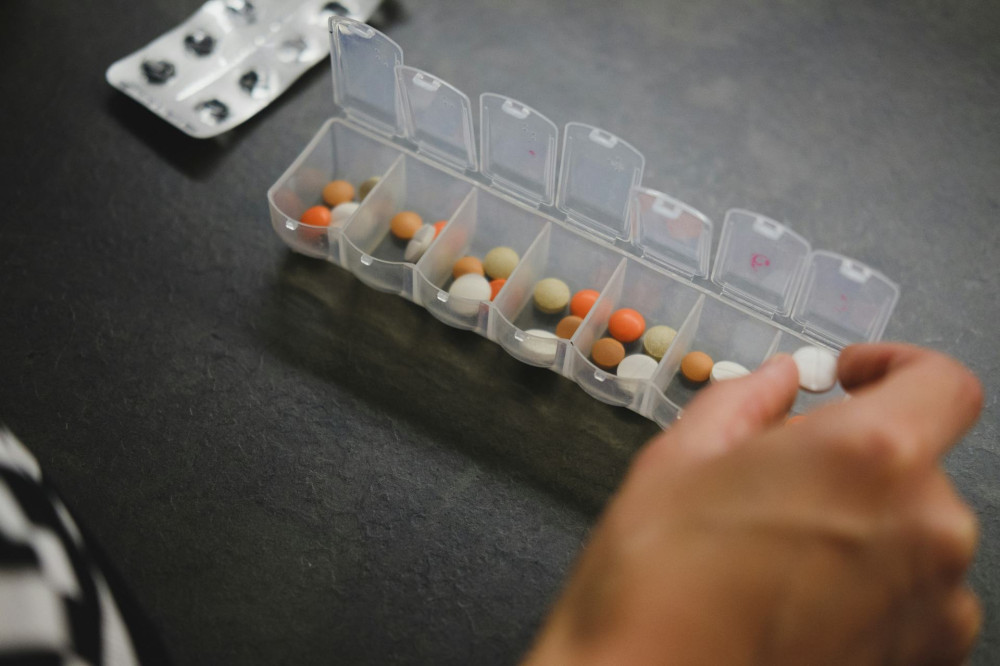
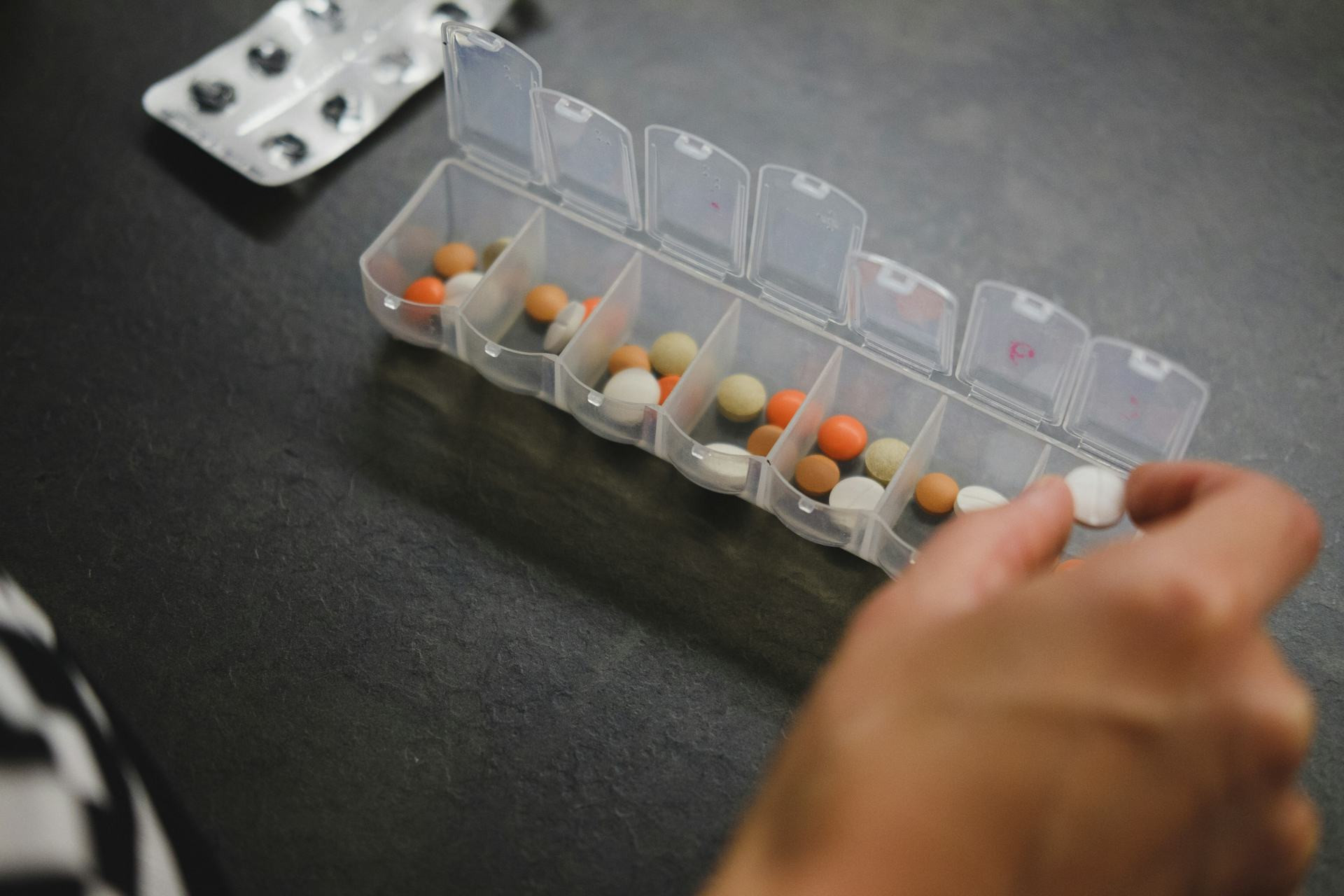
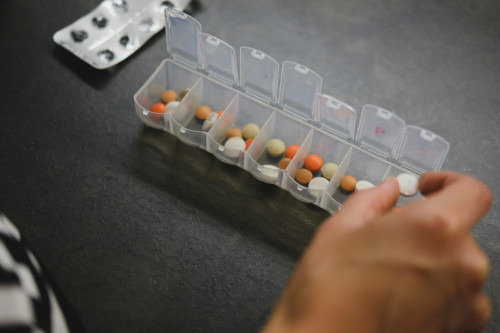
- Use a pill organizer – it helps you keep track of what you’ve taken and what’s next.
- Set reminders on your phone or smartwatch – especially if you take medication more than once a day.
- Keep your medication in a visible but safe place – somewhere you’ll see it, but out of reach of children or pets.
The more naturally your medication fits into your daily rhythm, the less likely you are to forget it.
Avoid Confusion and Mistakes
Medication errors happen more often than most people realize, especially when taking several prescriptions. To reduce the risk:
- Keep medications in their original containers so you can always see the name and dosage.
- Don’t mix pills in the same bottle unless you’re using a labeled pill organizer.
- Check expiration dates regularly, and safely dispose of old or unused medications. Many U.S. pharmacies and local law enforcement agencies offer take-back programs.
If you’re prescribed a new medication, ask whether it replaces or adds to something you already take. Clarifying this can prevent confusion and unwanted side effects.
Læs også:



Handle Changes and Travel Smoothly
When your doctor changes your dosage or switches medications, it can take time to adjust. Write down the change and update your medication list right away.
If you’re traveling, plan ahead. Bring extra medication in case of delays, and keep it in your carry-on bag. If you’re crossing time zones, ask your pharmacist or healthcare provider how to adjust your schedule so you stay on track.
Communicate Openly with Your Healthcare Team
Good medication habits also depend on good communication. Let your doctor or pharmacist know if you’re having trouble remembering doses, experiencing side effects, or feeling unsure about your regimen. There are often solutions – such as once-daily options, combination pills, or reminder tools – that can make things easier.
It’s always better to talk openly about challenges than to skip doses in secret. Working together with your healthcare team can make a big difference in how well your treatment works.
Make It a Habit That Lasts
Taking your medication correctly is an investment in your health. Once you find a rhythm that works, it becomes a natural part of your day – like brushing your teeth or having your morning coffee.
Remember, good medication habits aren’t about perfection; they’re about consistency. Small steps, like setting reminders or keeping a medication journal, can help you build a routine that lasts for the long term.
Læs også: