Learn from Past Treatments and Strengthen Future Care Paths

Learn from Past Treatments and Strengthen Future Care Paths
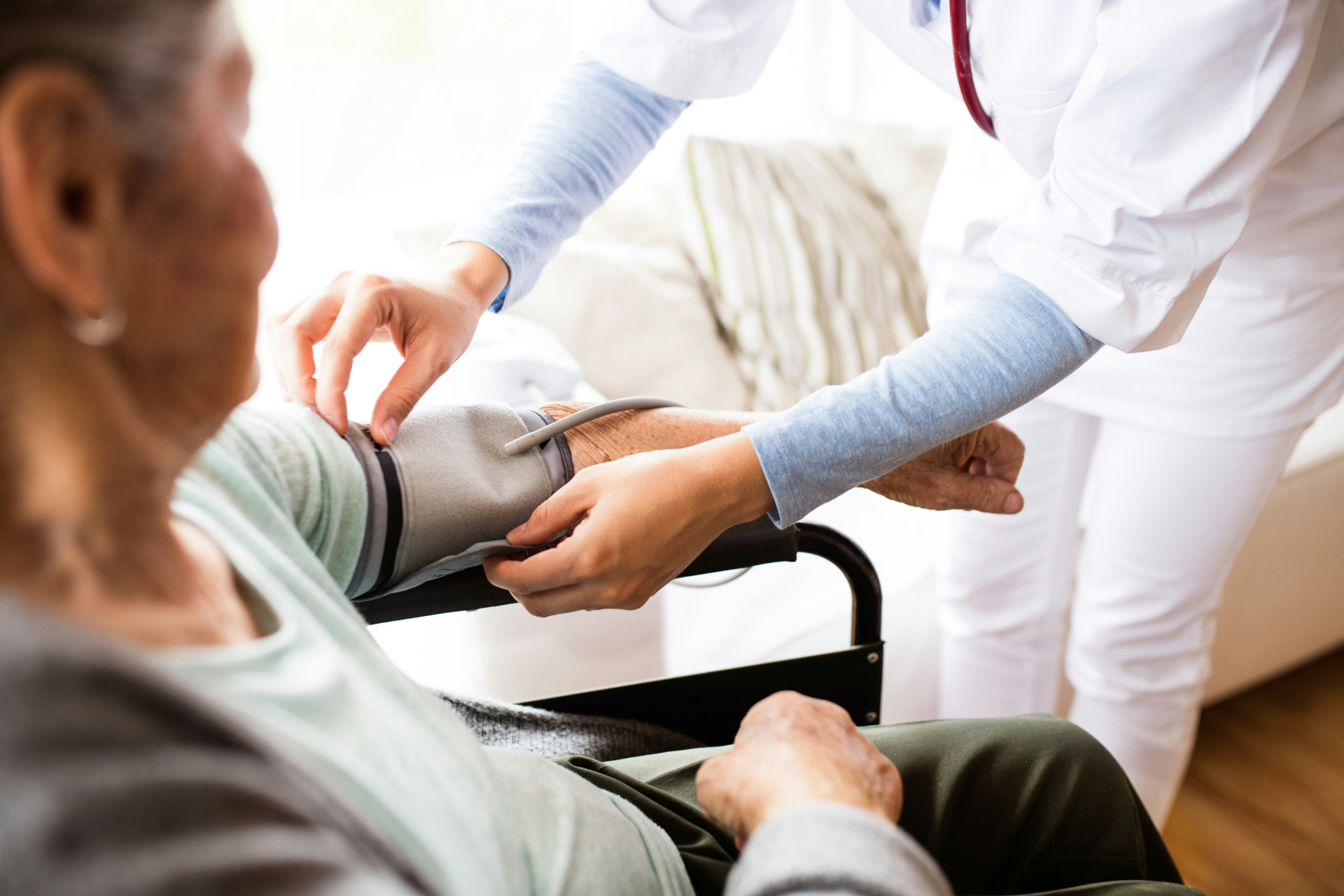
After going through a course of treatment—whether it’s physical therapy, counseling, medication, or a hospital stay—you’re often left with valuable experiences. Some highlight what worked well, while others reveal what could have been different. Reflecting on these experiences can help you strengthen future care paths—for yourself and for the healthcare professionals you work with.
Experiences as the Key to Better Care
Every treatment offers lessons. You may have discovered that you respond differently to certain medications, that you need more time to process medical information, or that you stay motivated when you’re actively involved in decisions. By identifying and articulating these insights, you become better prepared for future care.
It can help to write down what worked and what didn’t. This way, your experiences don’t fade with time but instead become a tool for creating more focused and confident care in the future.
Communication as the Foundation
One of the most important factors in effective care is communication between patient and provider. Misunderstandings or lack of information can easily lead to uncertainty. That’s why it’s a good idea to share your past experiences early in a new treatment process.
Explain how you best understand information—whether you prefer written summaries, visual explanations, or slower-paced conversations. Also share if you’ve had challenges with side effects, motivation, or practical issues in the past. This helps your provider tailor care to your needs and preferences.
Make Use of Your Health Records
Your medical record isn’t just a tool for healthcare professionals—it’s also a resource for you. Reviewing your past notes can help you see which treatments you’ve received and how you responded to them. This can be especially useful if you’re starting care with a new provider or want to better understand your own health journey.
In the U.S., most healthcare systems now offer online access to your medical records through patient portals. Use this access to stay informed, review test results, and ask questions if something is unclear. An informed and engaged patient is often a stronger partner in care.
Collaboration and Shared Decision-Making
Good care is built on collaboration. When you share your experiences, you become an active participant in the decision-making process. This can include choosing treatment options, planning follow-up visits, or discussing support resources.
Research shows that patients who feel involved in their care tend to experience greater satisfaction and better outcomes. It takes confidence to ask questions or speak up when something doesn’t feel right—but your past experiences can give you the courage to do just that.
Learn from Both Successes and Challenges
It’s easy to focus on what went wrong, but there’s also much to learn from what went right. Maybe you had a provider who took time to listen, or a care structure that made it easier to stay on track. Identifying these positive elements helps you seek them out again in future care.
At the same time, difficult experiences can serve as guideposts for what you want to avoid. The goal isn’t to criticize past care, but to use your knowledge constructively to shape better experiences ahead.
Læs også:


Share Your Insights—They Can Help Others
If you have the energy, sharing your experiences can benefit others. You might do this through patient advocacy groups, online communities, or conversations with friends and family. By telling your story, you not only help yourself but also others facing similar challenges.
Healthcare professionals can also learn from patient perspectives. Many hospitals and clinics in the U.S. now include patient advisory councils or feedback programs, where former patients contribute to improving care processes and communication.
A Continuous Process
Learning from past treatments isn’t a one-time task—it’s an ongoing process. Each encounter with the healthcare system brings new experiences that can help refine and improve the next step. It takes reflection, but also the willingness to take an active role in your own care.
By viewing your past treatments as a source of knowledge—rather than closed chapters—you can help build a healthcare system rooted in collaboration, understanding, and trust.
Læs også: