Healthy Ears for Life – How Diet, Sleep, and Good Habits Support Your Ear Health

Healthy Ears for Life – How Diet, Sleep, and Good Habits Support Your Ear Health
Our ears are among the body’s most delicate and complex sensory organs—yet most of us rarely think about how to care for them. Good ear health isn’t just about avoiding loud music or cleaning your ears safely. It’s also about how you eat, sleep, and live. Here’s how nutrition, rest, and everyday habits can help you maintain healthy hearing throughout your life.
The Ear – A Delicate System
The ear is made up of three parts: the outer ear, the middle ear, and the inner ear. Together, they convert sound waves into electrical signals that the brain can interpret. This system is sensitive and can be affected by noise, infections, poor circulation, and lifestyle factors. Thinking of your ears as part of your overall health is key—what’s good for your body is usually good for your ears too.
Eat for Better Ear Health
Your diet plays a bigger role in hearing than you might expect. The cells in your inner ear depend on a steady blood supply and healthy metabolism to function properly.
- Antioxidants such as vitamins C and E help protect the ear’s delicate hair cells from damage caused by free radicals, which can result from noise exposure or aging. You’ll find these nutrients in fruits, vegetables, nuts, and whole grains.
- Omega-3 fatty acids, found in fish like salmon, sardines, and trout, may improve blood flow to the inner ear and reduce the risk of age-related hearing loss.
- Zinc and magnesium support immune function and may help prevent middle ear infections.
- Limit salt and added sugars, as they can affect fluid balance in the inner ear and worsen symptoms like tinnitus or dizziness.
A balanced diet rich in fresh produce, lean proteins, healthy fats, and plenty of water is a simple but powerful way to support your hearing health.
Læs også:

The Role of Sleep in Hearing
Sleep is the body’s time to repair and restore itself—including the ears. During deep sleep, blood pressure drops and circulation improves, allowing tissues to recover. Research suggests that chronic sleep deprivation may increase the risk of hearing problems by affecting blood vessels and inflammation control.
Aim for 7–8 hours of quality sleep each night. Avoid screens and loud sounds before bedtime, and if you work in noisy environments, give your ears a break by resting in quiet surroundings whenever possible.
Everyday Habits That Protect Your Ears
Small daily choices can make a big difference for your ears:
- Protect yourself from noise. Use earplugs at concerts, sporting events, or when using power tools. Even short bursts of loud sound can cause lasting damage.
- Skip cotton swabs. They can push wax deeper into the ear canal and cause irritation. The ear cleans itself naturally—just wipe the outer ear gently with a damp cloth.
- Keep ears dry. After swimming or showering, dry your ears carefully. Excess moisture can encourage bacterial growth and lead to infections.
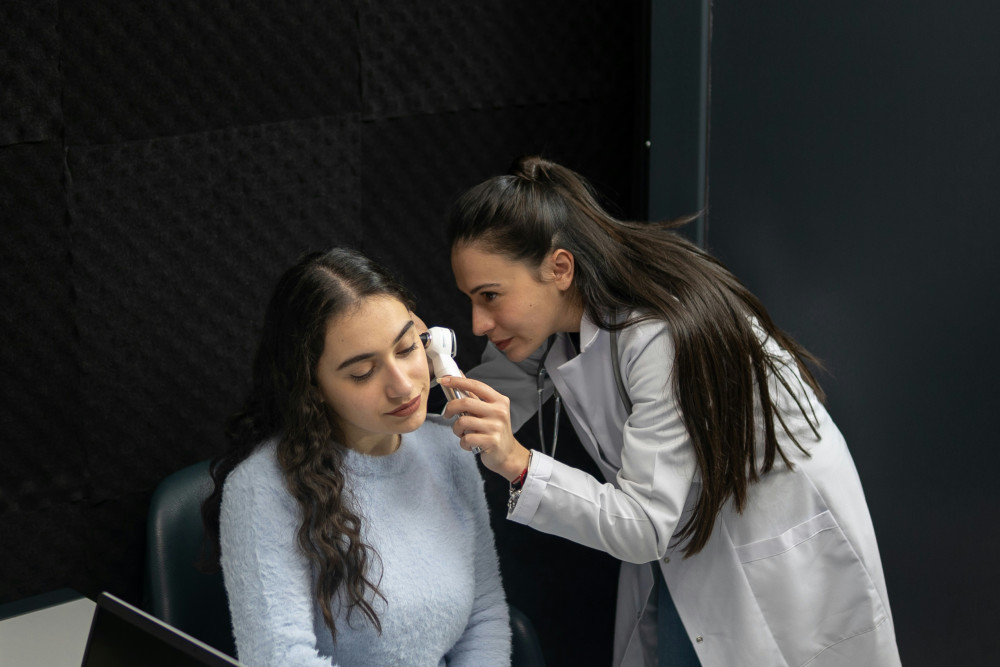
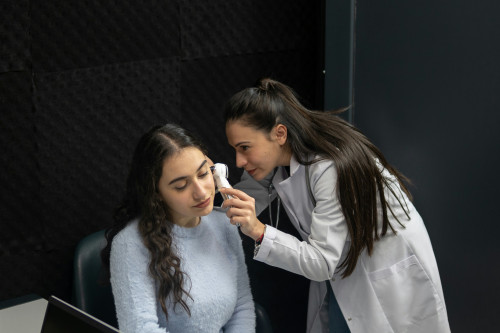
- Watch for signs of infection. Pain, itching, or muffled hearing can signal an ear infection. See a healthcare provider promptly—untreated infections can cause permanent damage.
- Maintain a healthy lifestyle. Smoking, high blood pressure, and poor circulation can all affect hearing. Regular exercise, a nutritious diet, and moderate alcohol intake support both heart and ear health.
When Hearing Changes
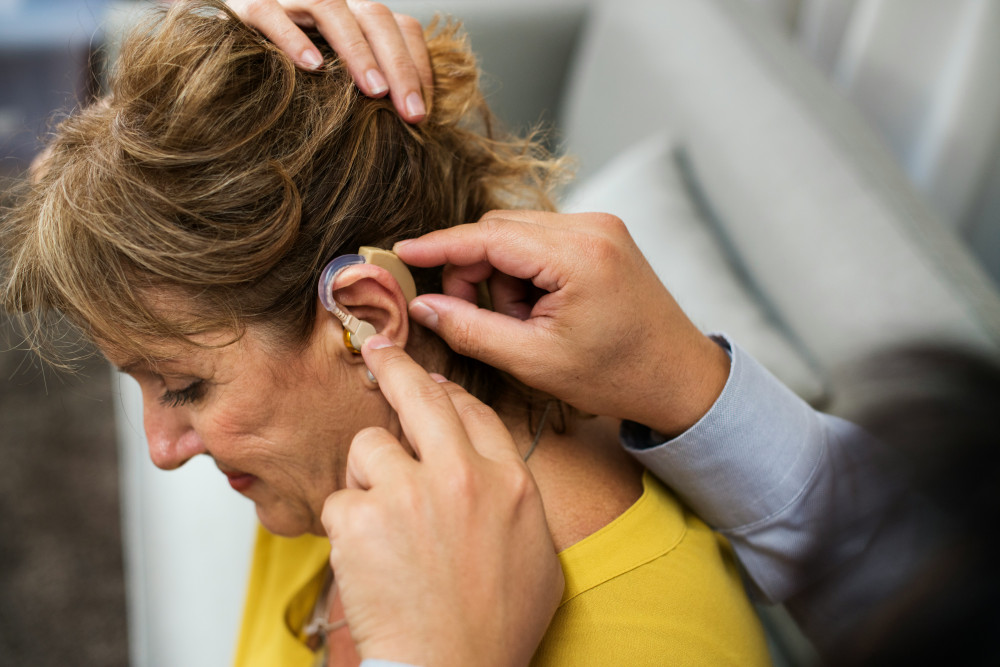
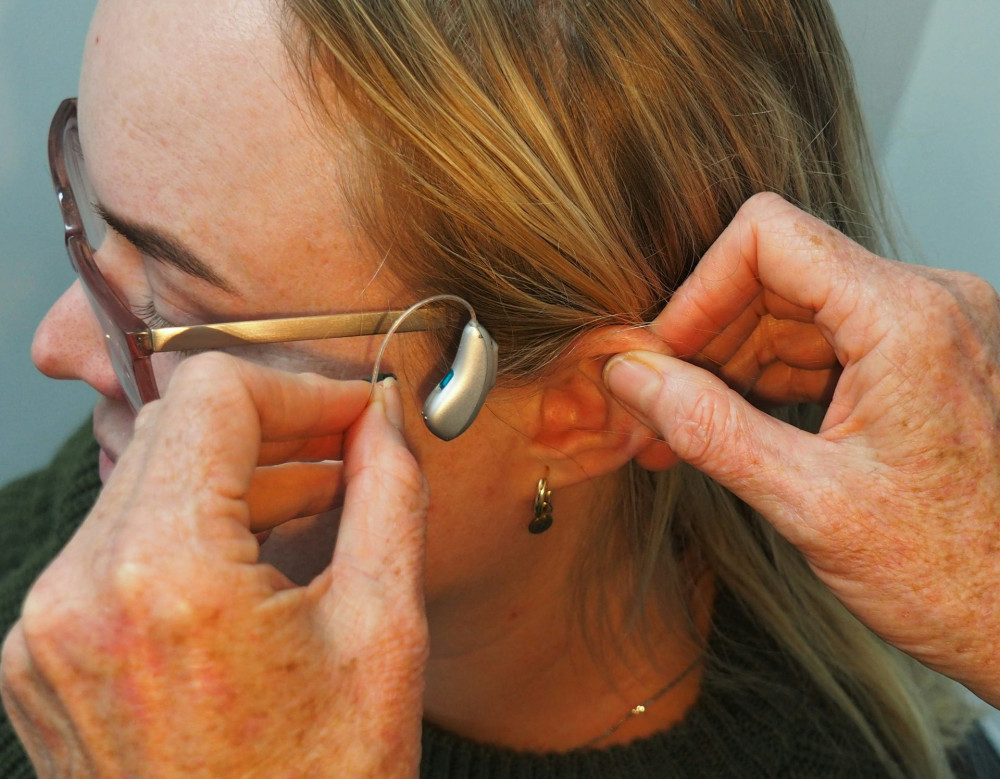
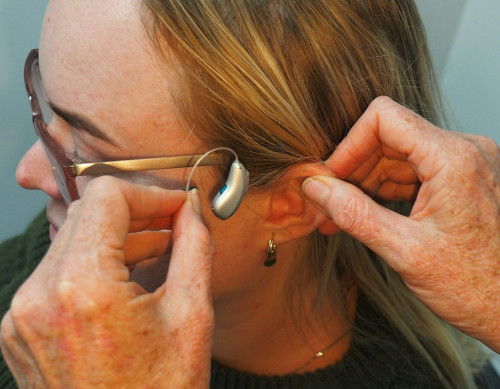
Many people notice gradual hearing loss as they age. While this is common, it can often be slowed down. Regular hearing tests—especially after age 50—can catch issues early. Modern hearing aids and hearing therapy can greatly improve quality of life when hearing loss is addressed in time.
Ear Health as a Lifelong Investment
Caring for your ears isn’t just about avoiding harm—it’s about creating the best conditions for them to function well throughout your life. A healthy diet, sufficient sleep, and mindful daily habits are simple yet effective ways to preserve your hearing—and with it, an important part of your connection to the world around you.
Læs også: