Check Your Feet Regularly – Small Habits, Big Difference

Check Your Feet Regularly – Small Habits, Big Difference
Our feet carry us through every step of life, yet they often get the least attention. Many people only notice them when pain, calluses, or sores appear. But with a few simple habits, you can prevent problems and catch changes early. Here’s why regular foot checks matter and how to make them part of your routine.
Why Checking Your Feet Matters
Your feet endure pressure, moisture, and friction every day. Over time, that can lead to dry skin, corns, nail changes, or small wounds. For most people, these are minor annoyances, but for those with diabetes, poor circulation, or nerve damage, even a small sore can turn into a serious issue.
A regular foot check helps you spot changes before they become painful or require medical treatment. It’s not about being overly cautious—it’s about knowing your feet and acting when something looks or feels different.
How to Do a Quick Foot Check
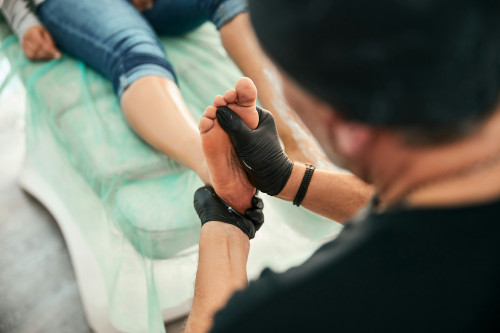
A foot check takes just a few minutes. Try doing it after a shower or before bed.
- Look at the skin – Are there cracks, redness, swelling, or calluses?
- Check your nails – Are they thickened, discolored, or growing into the skin?
- Feel for changes – Do your feet feel cold, swollen, or tender?
- Look between your toes – Moisture, fungus, or small cuts can hide there.
- Use a mirror – If you can’t easily see the bottoms of your feet, a small mirror can help.
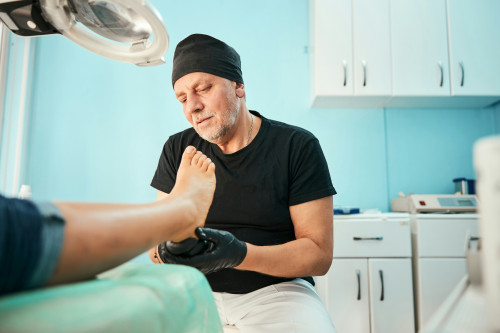
If you notice something unusual—like a sore that doesn’t heal or a nail that changes color—contact your healthcare provider or a podiatrist.
Everyday Habits for Healthy Feet
Small daily habits can make a big difference in keeping your feet healthy.
- Wash and dry thoroughly – Especially between the toes, where moisture can cause fungus.
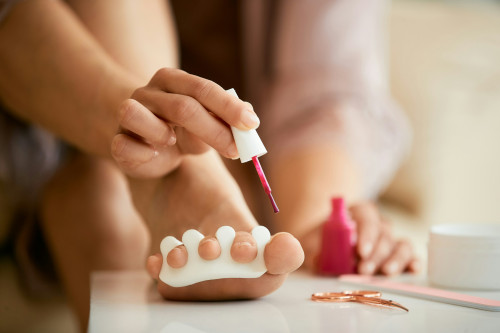
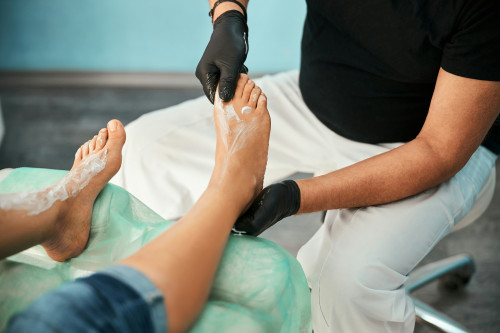
- Moisturize – Use a foot cream to prevent dry, cracked skin.
- Trim nails straight across – Avoid cutting too short or rounding the corners to prevent ingrown nails.
- Wear shoes that fit – Shoes that are too tight or narrow can cause blisters and pressure points.
- Change socks daily – Choose cotton or moisture-wicking materials to keep feet dry.
These simple steps take little time but can prevent many common foot problems.
Læs også:
Foot Health and Lifestyle
Healthy feet are part of a healthy lifestyle. Excess weight, long hours of standing, or poorly fitting shoes can strain your feet. Regular physical activity—like walking, swimming, or light strength training—improves circulation and strengthens muscles.
If you stand for long periods, try alternating shoes and using supportive insoles. This helps reduce fatigue and prevents pain in your heels, knees, and back.
When to Seek Professional Help
Even with good care, some issues need professional attention. Contact a healthcare provider or podiatrist if you notice:
- A sore that doesn’t heal within a few days
- Persistent pain or swelling
- Nails that change color or shape
- Cracked calluses that hurt or bleed
- Signs of athlete’s foot or nail fungus
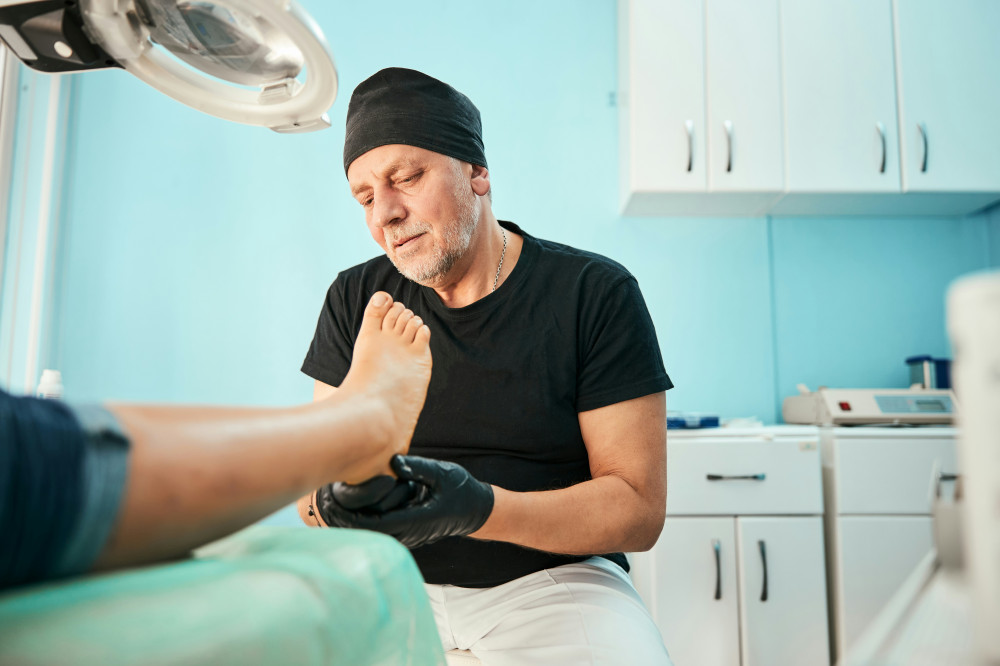
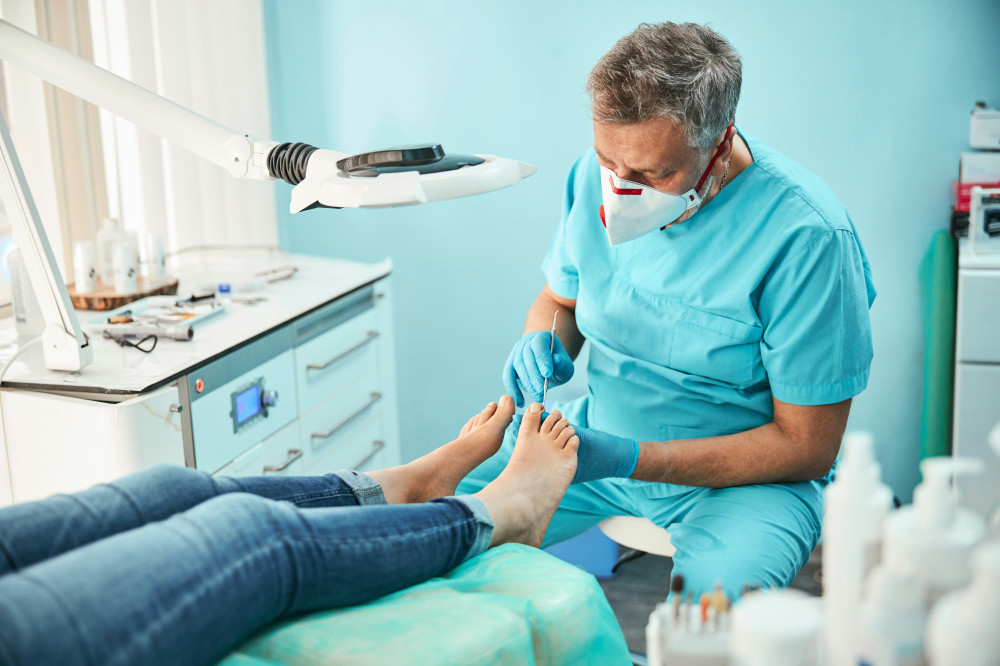
A podiatrist can treat problems early and give advice to prevent them from returning.
Small Habits, Big Difference
Checking your feet regularly is a simple habit that can save you from discomfort and complications. It doesn’t require special tools or much time—just awareness. Your feet are the foundation of your mobility and independence, so give them the care they deserve. A few minutes of attention today can make a big difference in how you move and feel tomorrow.
Læs også: